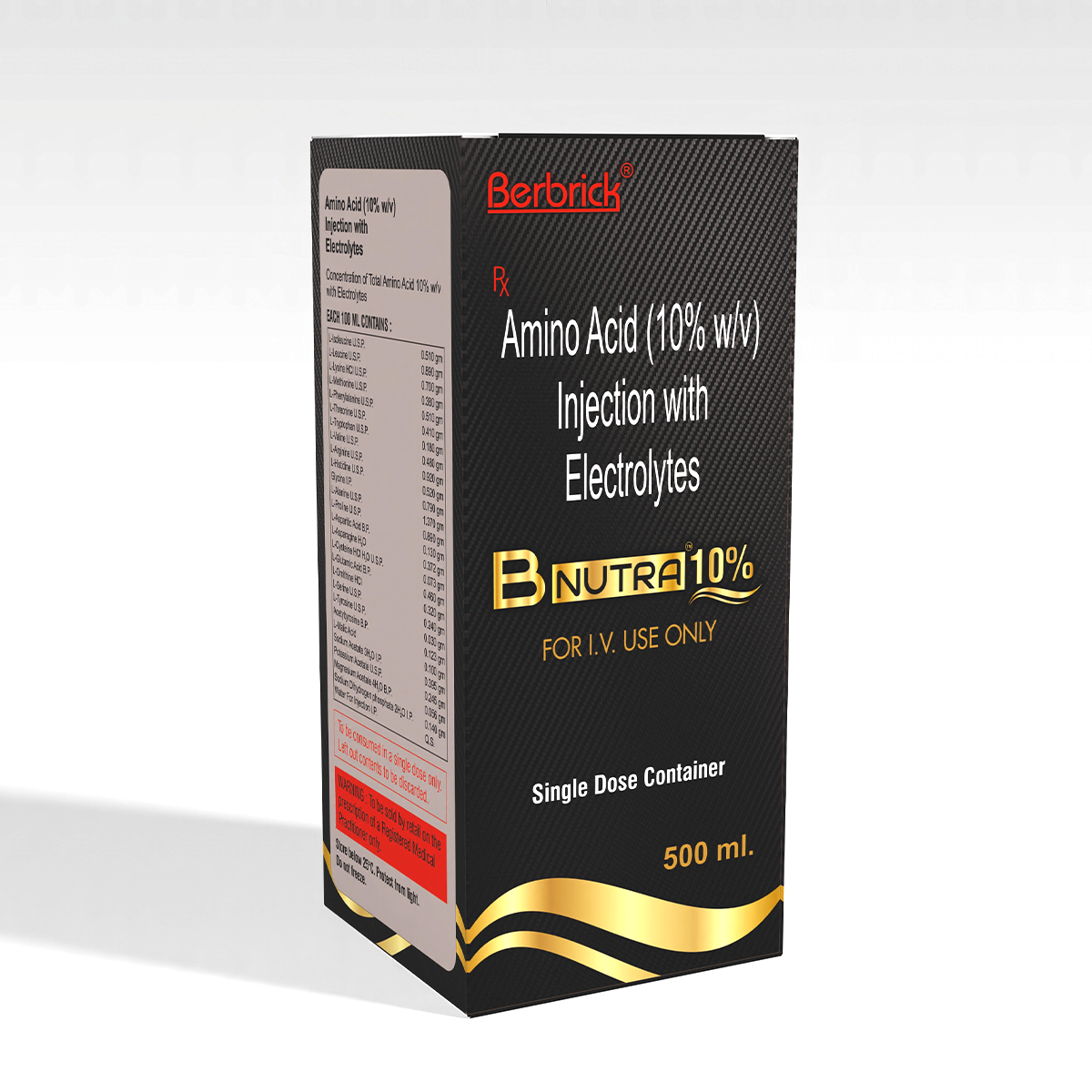
B-NUTRA 10% is a sterile, non-pyrogenic, hypertonic solution containing essential and non-essential amino acids along with electrolytes. It is designed for parenteral nutrition in patients requiring intravenous nutritional support.
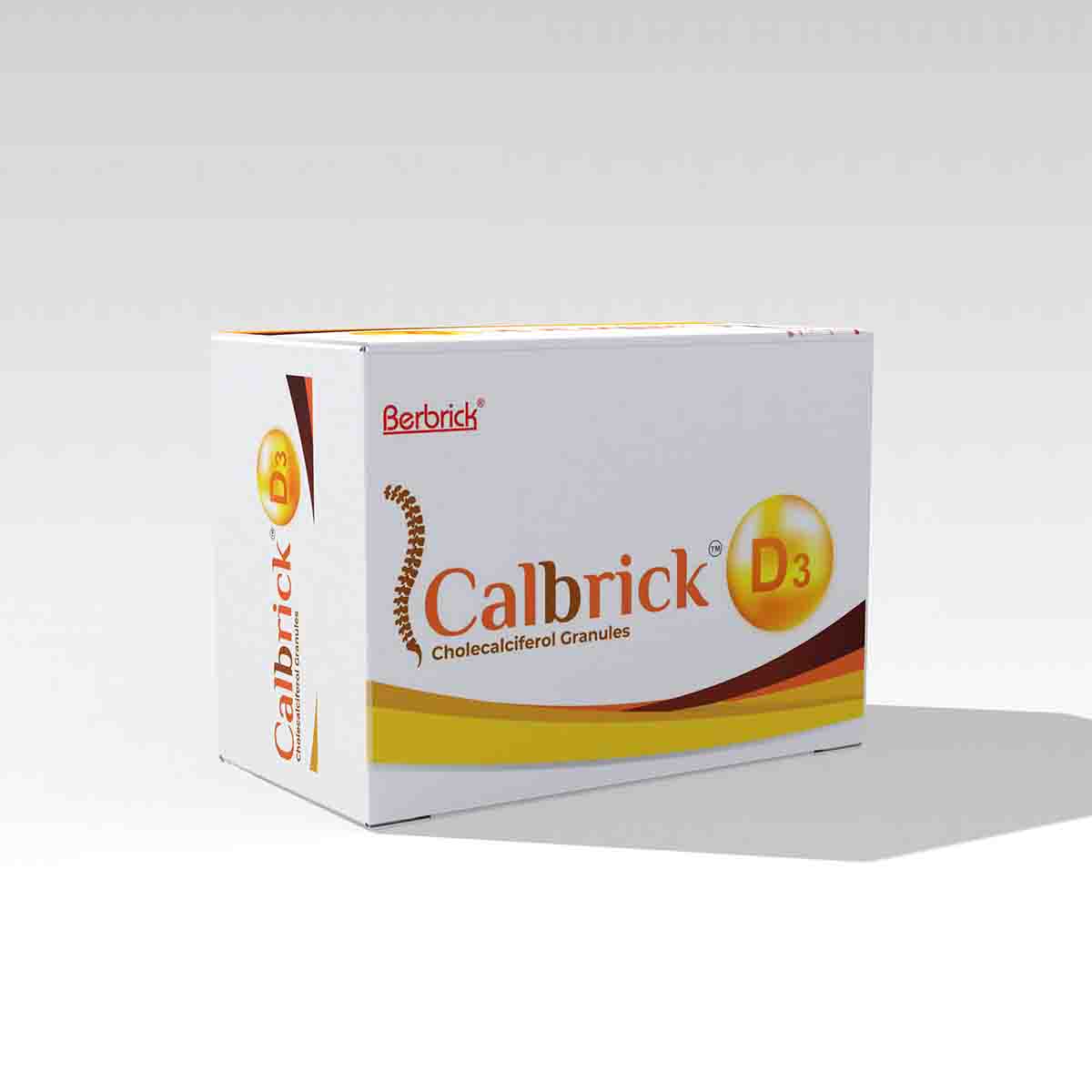
CALBRICK-D3 is a high-strength Vitamin D₃ (Cholecalciferol) supplement delivering 60,000 IU per sachet. As a crucial fat-soluble vitamin, it supports calcium and phosphorus absorption, promotes bone mineralization, regulates immune response, and maintains metabolic balance.
Formulated as granulated sachets, CALBRICK-D3 ensures easy weekly dosing, excellent patient compliance, and effective management of Vitamin D deficiency.

The combination Amoxicillin + Clavulanic Acid + Lactic Acid Bacillus is a triple formulation that includes two drug components and one probiotic. Here’s a clear breakdown
a) Amoxicillin
A broad-spectrum penicillin-type (β-lactam) antibiotic.
It works by inhibiting bacterial cell wall synthesis, leading to bacterial death.
Active against many Gram-positive and some Gram-negative bacteria.
b) Clavulanic Acid
A β-lactamase inhibitor (similar role to tazobactam).
It prevents bacterial enzymes (β-lactamases) from destroying amoxicillin, making the antibiotic more effective against resistant strains.
c) Lactic Acid Bacillus
A probiotic (friendly bacteria) added to prevent or reduce antibiotic-associated diarrhea and restore the natural gut flora disturbed by antibiotics.
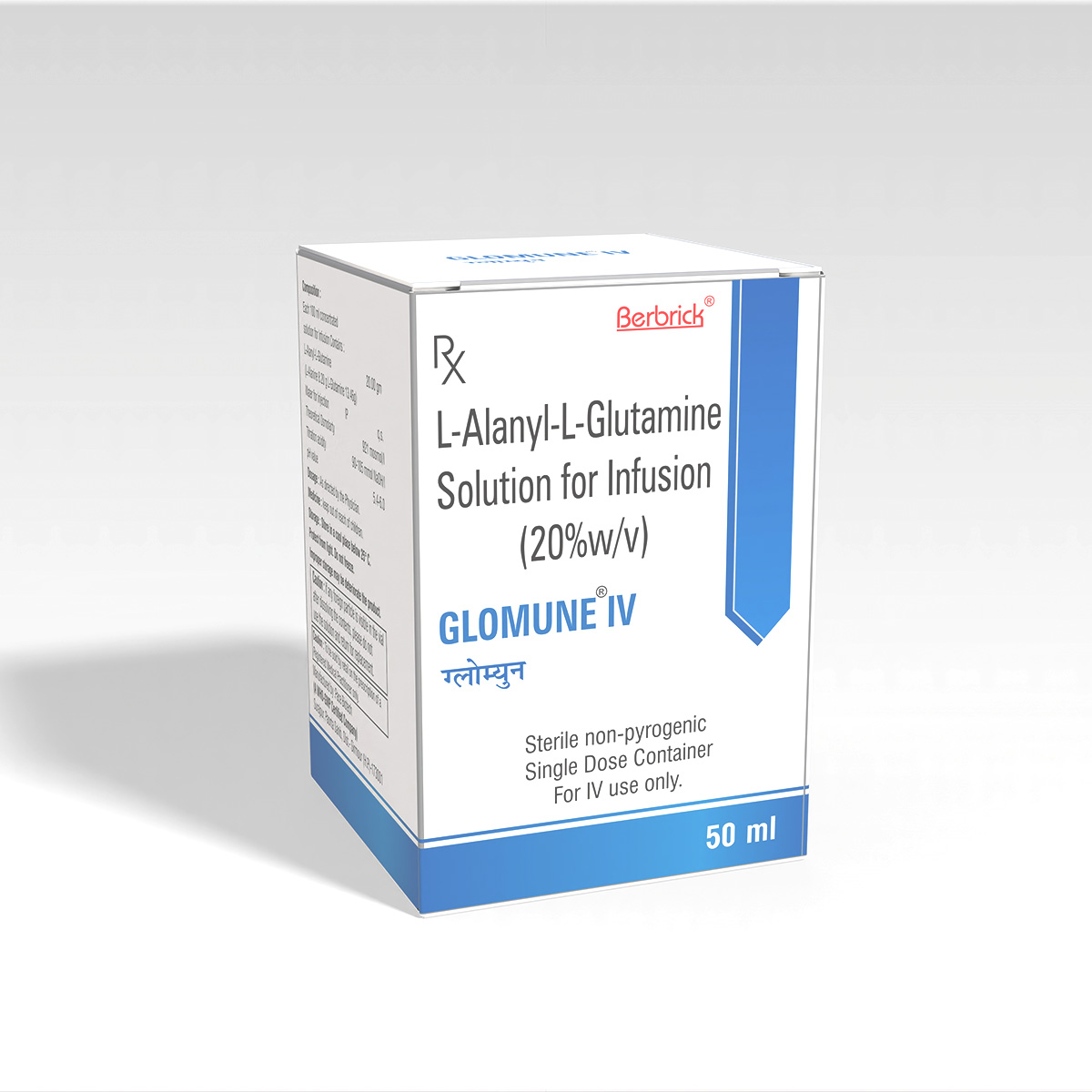
GLOMUNE IV is a clear, colorless to almost colorless sterile solution of L-Alanyl-L-Glutamine, a dipeptide stable form of glutamine used in parenteral nutrition (TPN).
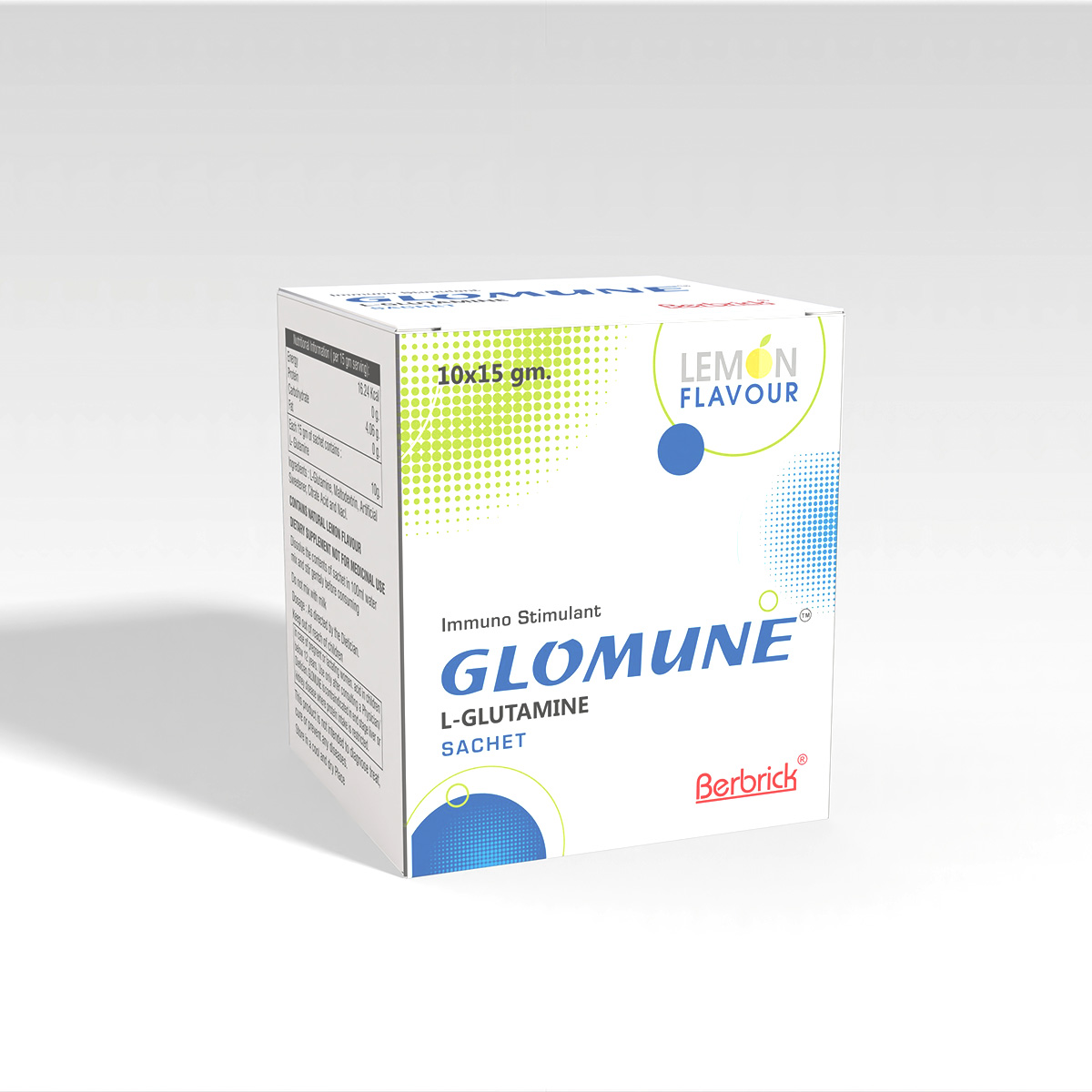
L‑Glutamine in granule form, which can be used orally as well as through tube feeding. L‑Glutamine, an immuno‑enhancer, serves as an effective fuel for intestinal cells and improves gut function. It is indicated for various critical disorders as under:


Pantoprazole is a medication that belongs to a class of drugs called proton pump inhibitors (PPIs). It is used to reduce the amount of acid produced in the stomach.
Common Uses:
Gastroesophageal reflux disease (GERD) – a condition where stomach acid frequently flows back into the esophagus.
Erosive esophagitis – inflammation of the esophagus due to stomach acid.
Mechanism of action:
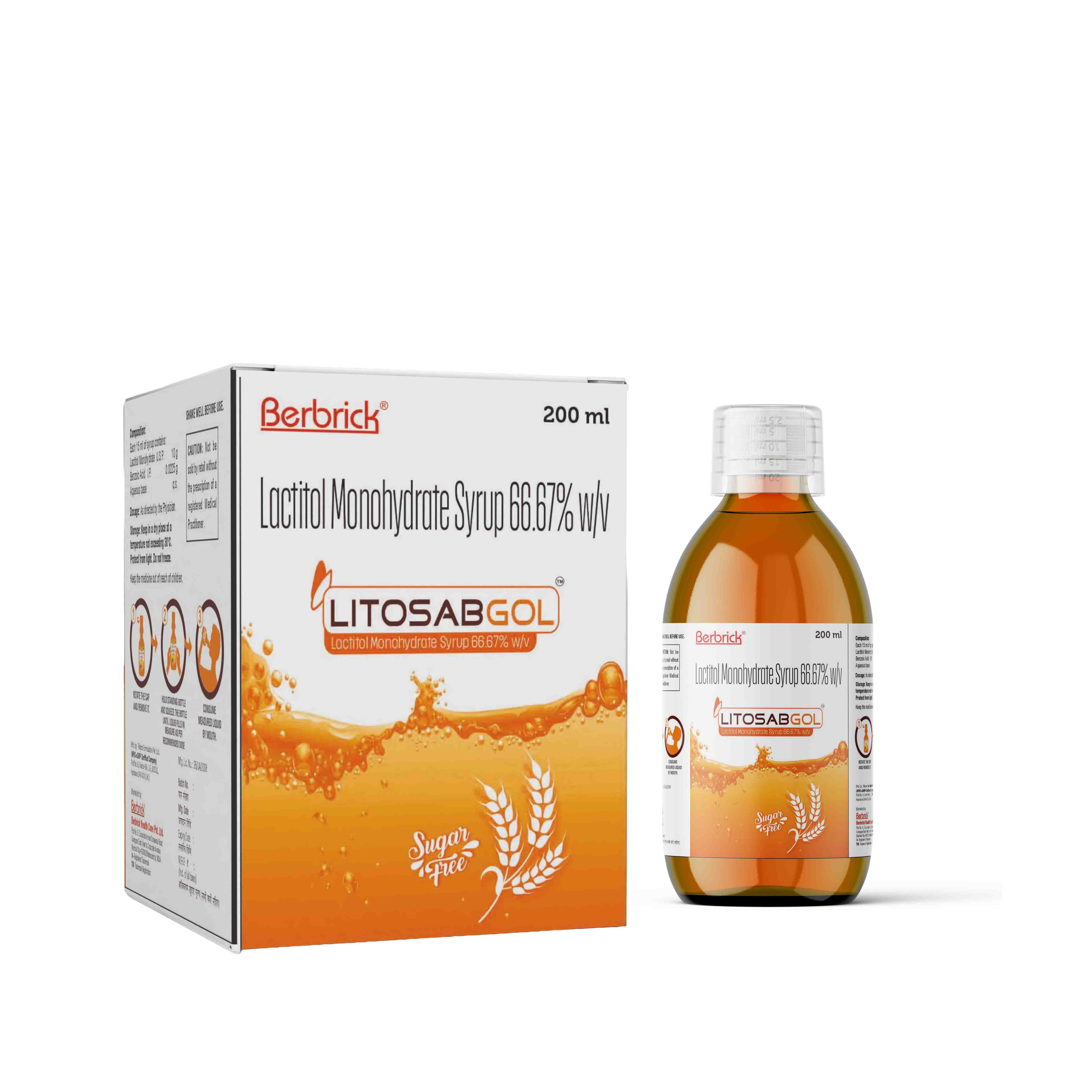
Lactitol monohydrate is poorly absorbed in the small intestine. When it reaches the large intestine, it draws water into the colon through osmosis.
This softens the stool and stimulates bowel movement.
It’s fermented by gut bacteria, producing short-chain fatty acids that increase colonic motility and further promote defecation.