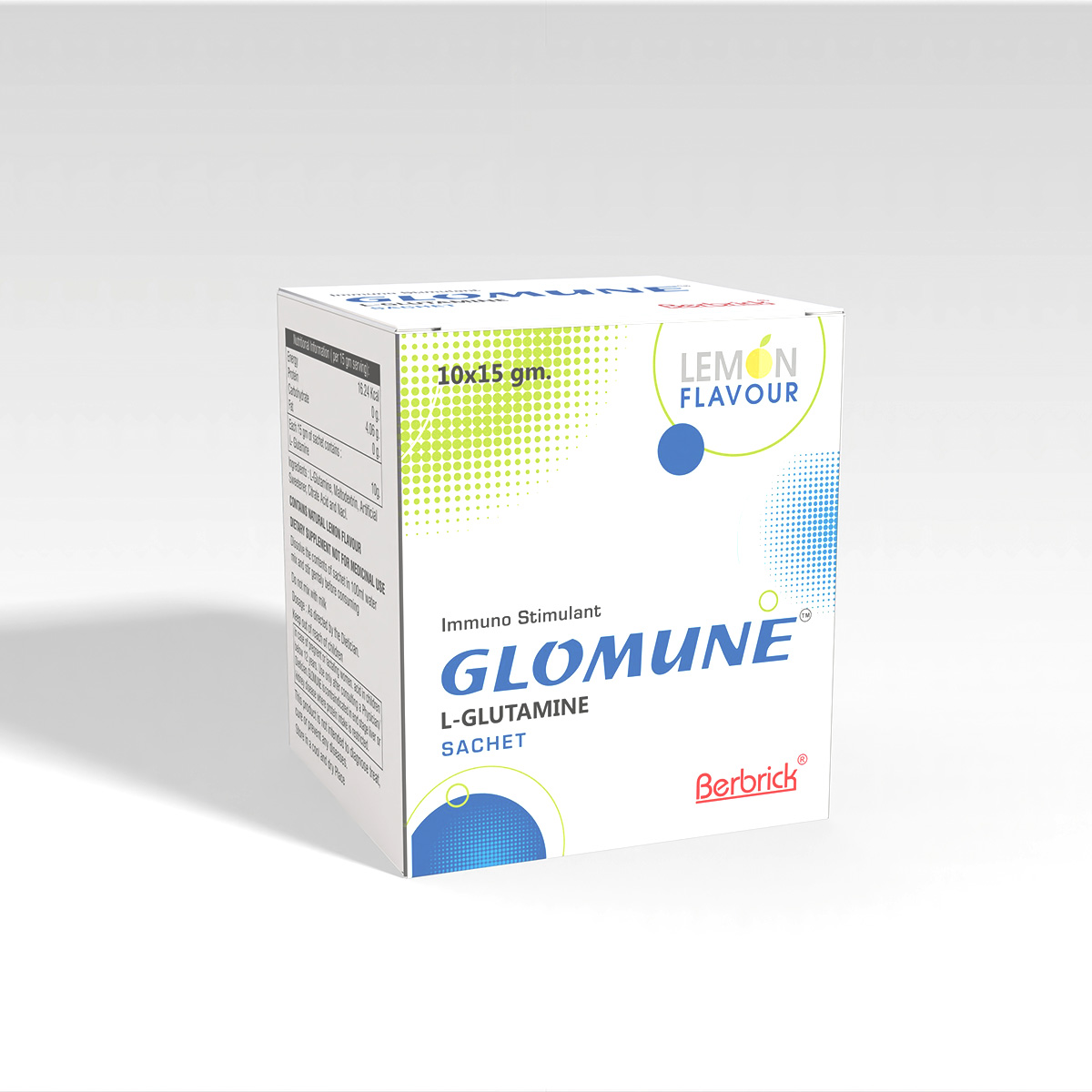
L‑Glutamine in granule form, which can be used orally as well as through tube feeding. L‑Glutamine, an immuno‑enhancer, serves as an effective fuel for intestinal cells and improves gut function. It is indicated for various critical disorders as under:
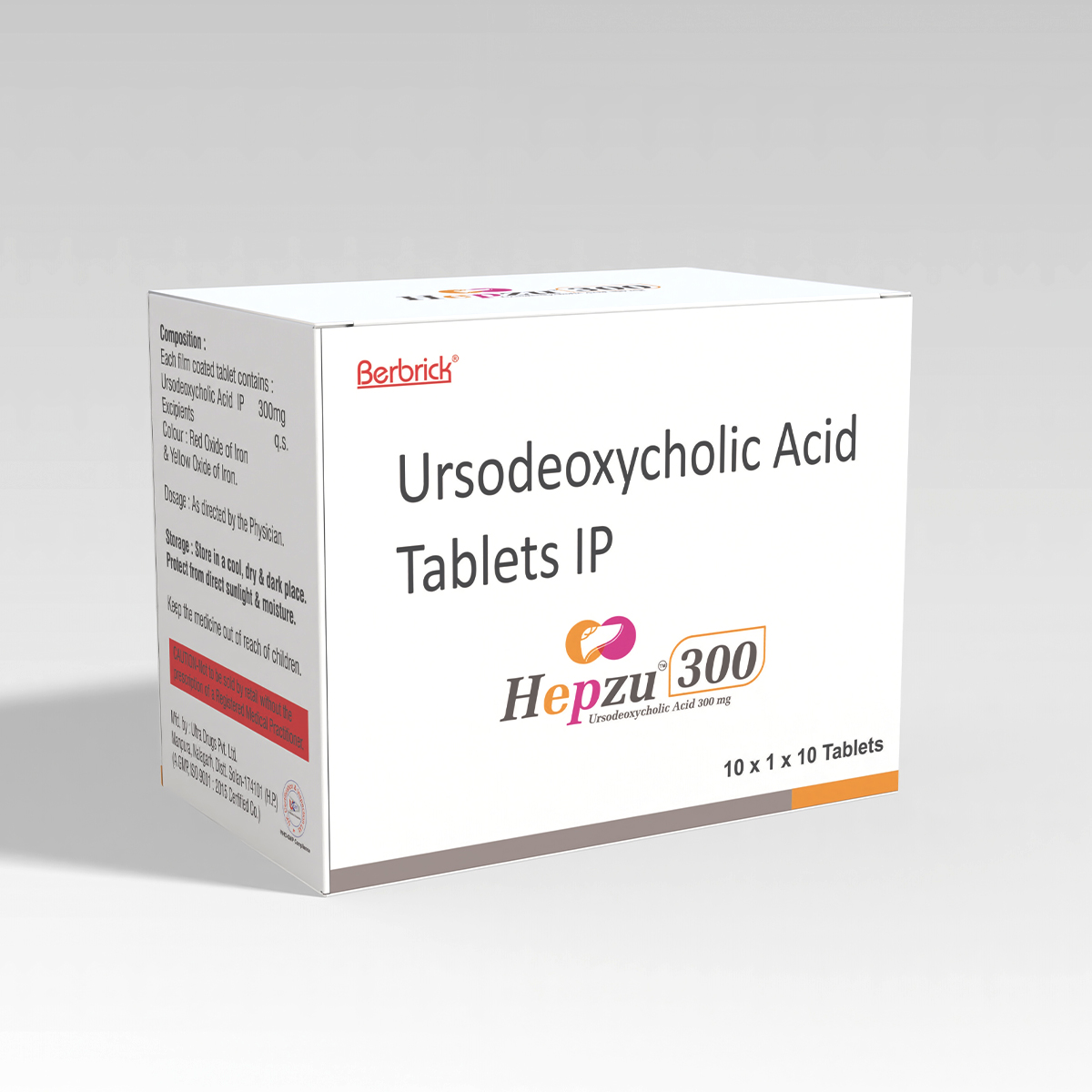
HEPZU™ 300 Micronized contains Ursodeoxycholic Acid (UDCA), a hepatoprotective agent. It is used to dissolve cholesterol gallstones and manage various liver-related disorders such as primary biliary cirrhosis, primary sclerosing cholangitis, and intrahepatic cholestasis.


Pantoprazole is a medication that belongs to a class of drugs called proton pump inhibitors (PPIs). It is used to reduce the amount of acid produced in the stomach.
Common Uses:
Gastroesophageal reflux disease (GERD) – a condition where stomach acid frequently flows back into the esophagus.
Erosive esophagitis – inflammation of the esophagus due to stomach acid.
pantoprazole is a medication that belongs to a class of drugs called proton pump inhibitors (PPIs). It is used to reduce the amount of acid produced in the stomach.
Common Uses:
Gastroesophageal reflux disease (GERD) – a condition where stomach acid frequently flows back into the esophagus.
Erosive esophagitis – inflammation of the esophagus due to stomach acid.
Mechanism of action:
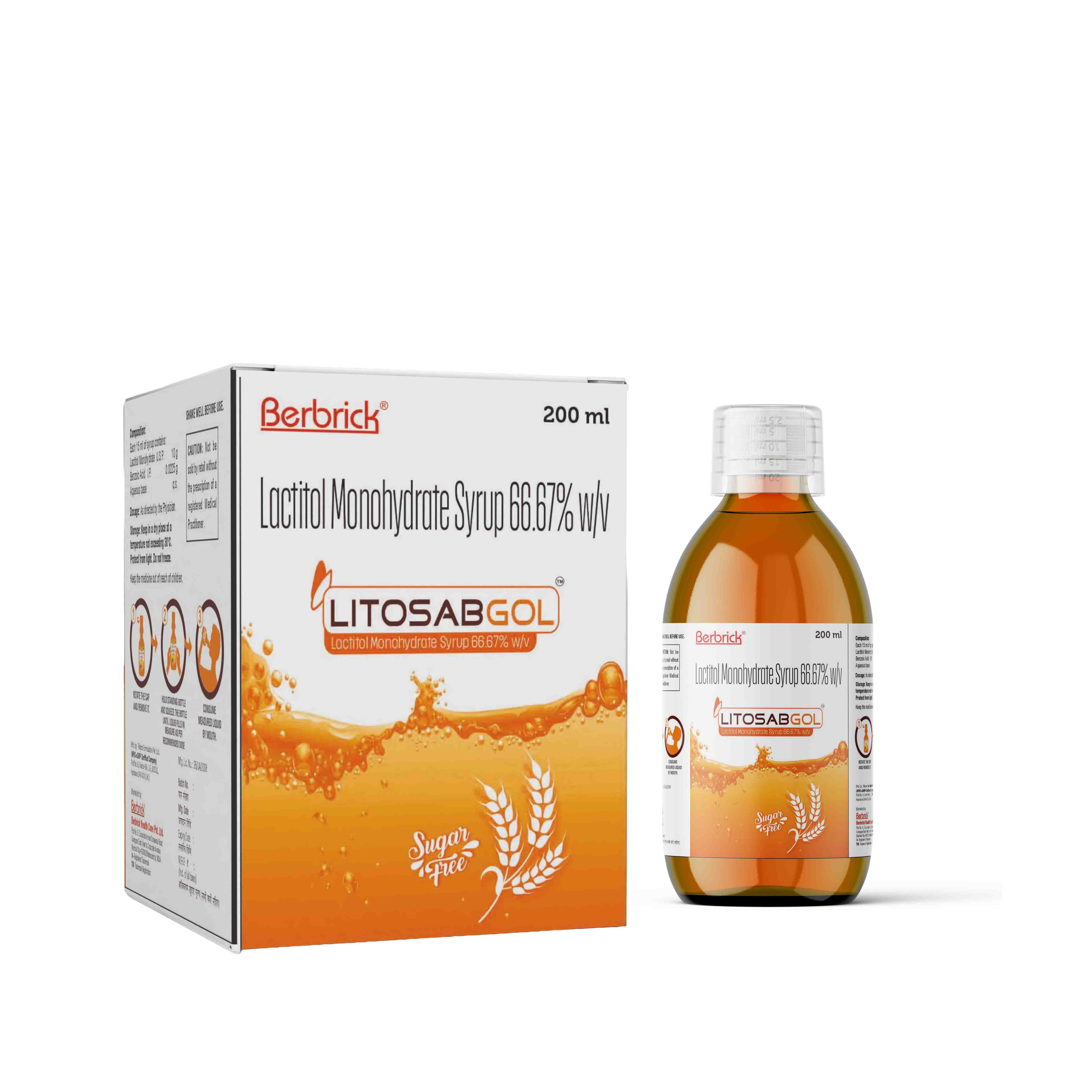
Lactitol monohydrate is poorly absorbed in the small intestine. When it reaches the large intestine, it draws water into the colon through osmosis.
This softens the stool and stimulates bowel movement.
It’s fermented by gut bacteria, producing short-chain fatty acids that increase colonic motility and further promote defecation.
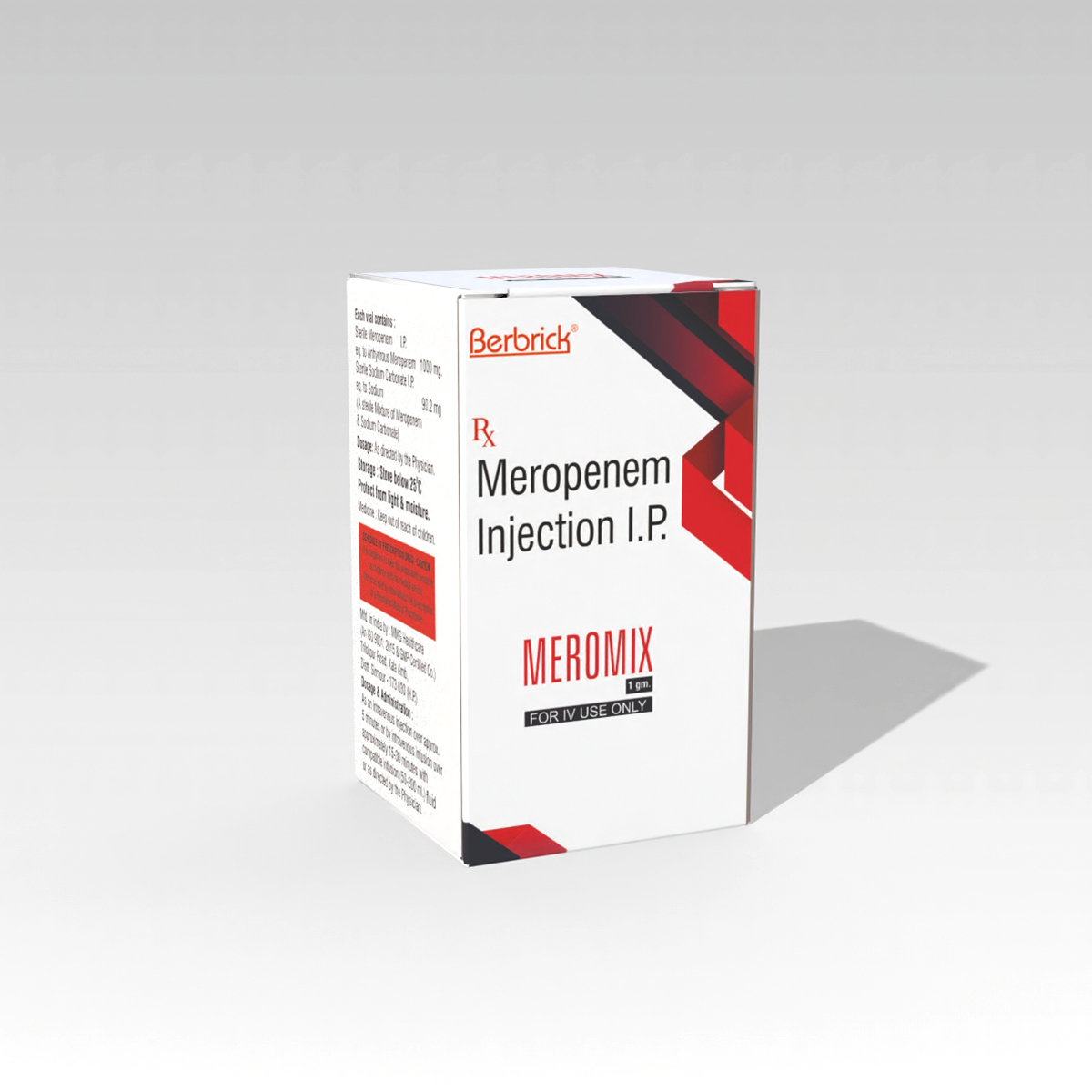
Background: (Meropenem for Injection) is a sterile, pyrogen-free, synthetic broad-spectrum carbapenem antibiotic for intravenous administration. It is effective against a wide range of gram-positive and gram-negative pathogens, including anaerobes.
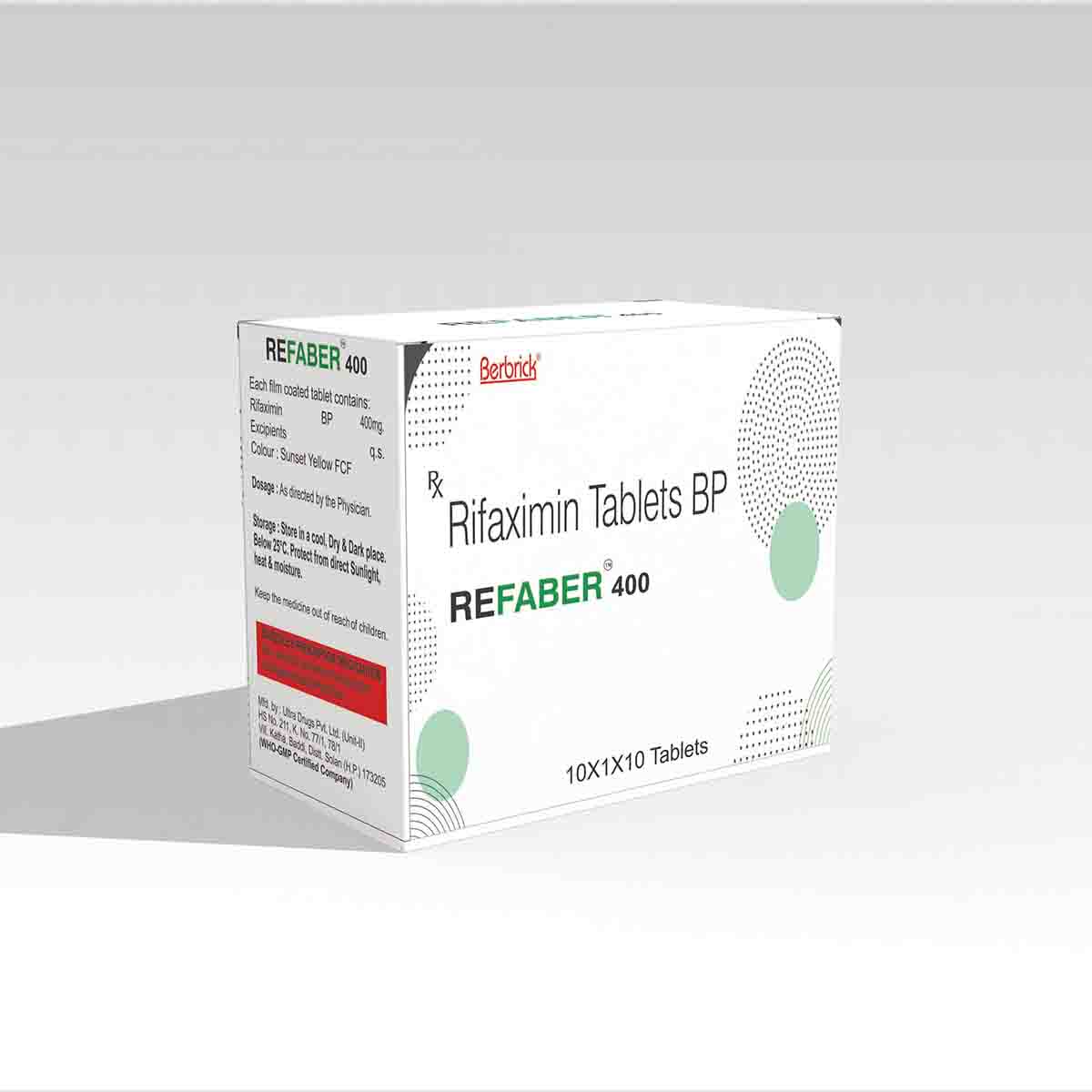
Rifaximin is an antibiotic medication primarily used to treat certain gastrointestinal conditions.
1. Irritable Bowel Syndrome (IBS) with Diarrhea: Rifaximin helps alleviate symptoms like bloating, abdominal pain, and diarrhea.
2. Hepatic Encephalopathy (HE): Rifaximin reduces the risk of HE episodes in patients with liver disease by decreasing ammonia-producing gut bacteria.
3. Traveler’s Diarrhea: Rifaximin can prevent and treat traveler’s diarrhea caused by certain bacteria.
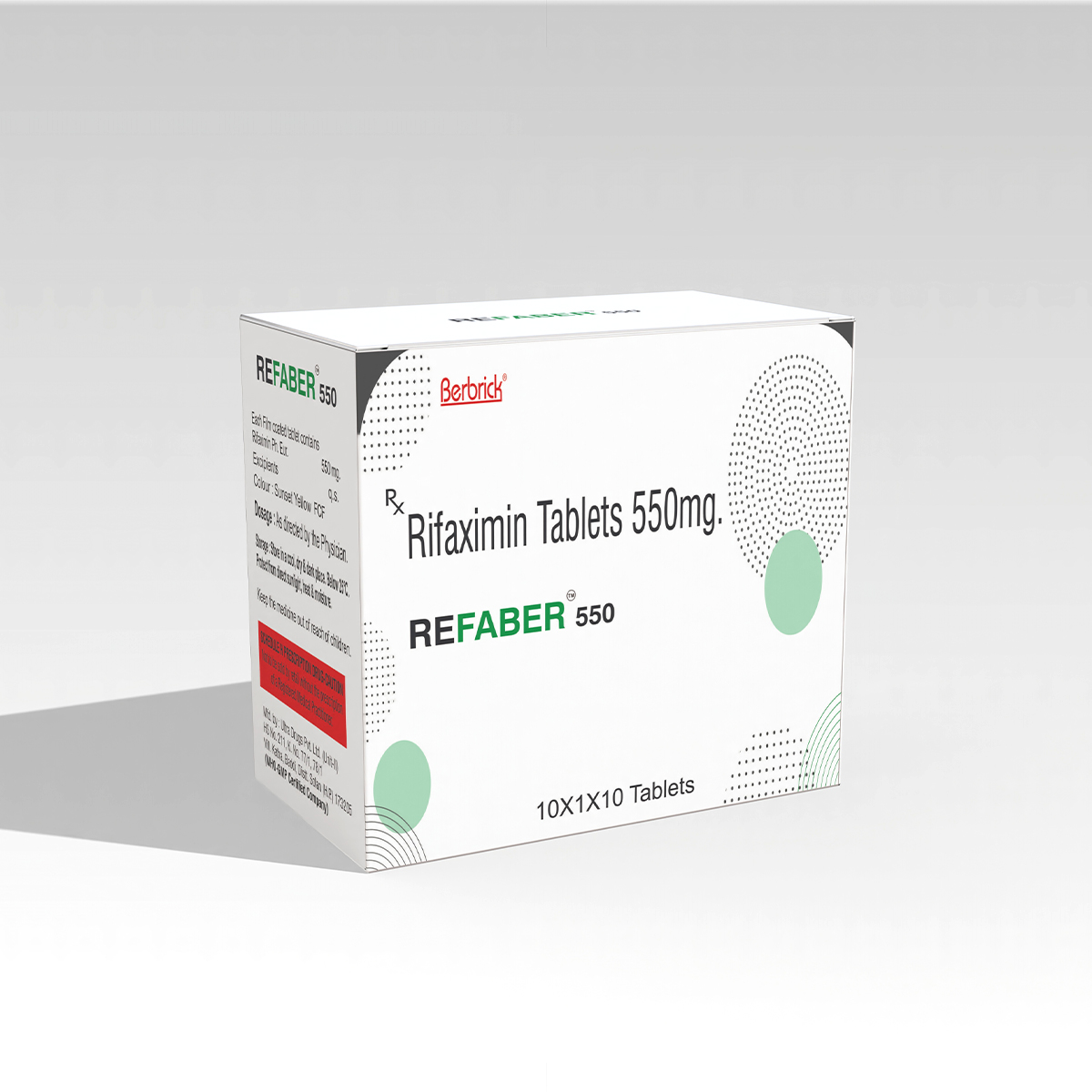
Rifaximin is an antibiotic medication primarily used to treat certain gastrointestinal conditions.
1. Irritable Bowel Syndrome (IBS) with Diarrhea: Rifaximin helps alleviate symptoms like bloating, abdominal pain, and diarrhea.
2. Hepatic Encephalopathy (HE): Rifaximin reduces the risk of HE episodes in patients with liver disease by decreasing ammonia-producing gut bacteria.
3. Traveler’s Diarrhea: Rifaximin can prevent and treat traveler’s diarrhea caused by certain bacteria.
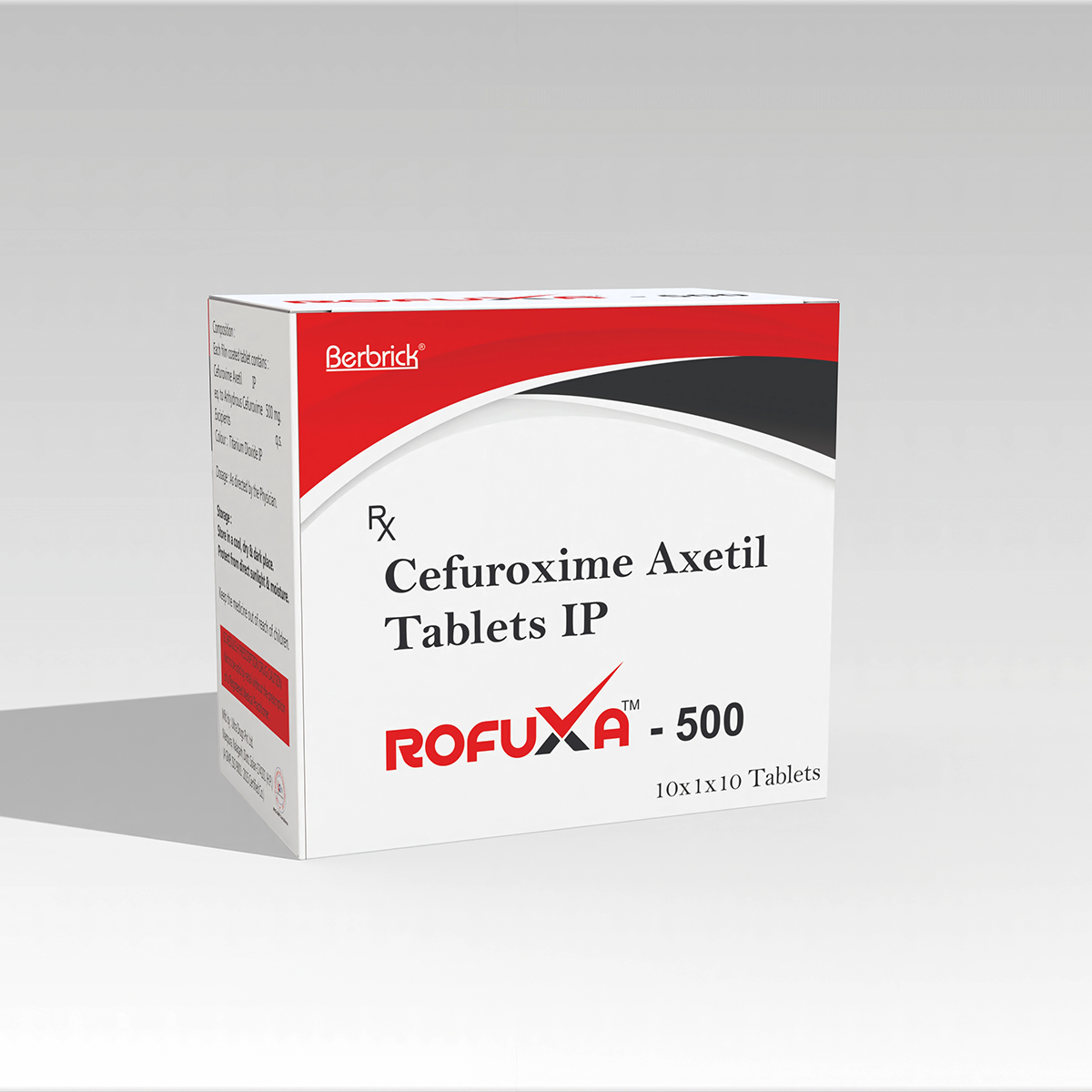
ROFUXA 500 is an oral antibiotic containing Cefuroxime Axetil, a broad-spectrum second-generation cephalosporin. It is effective against a wide range of gram-positive and gram-negative bacteria, including many β-lactamase–producing strains.