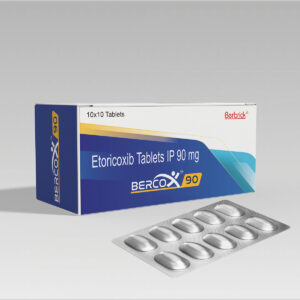
Etoricoxib is a COX-2 selective NSAID, meaning it targets the enzyme cyclooxygenase-2, which is primarily responsible for inflammation and pain — while sparing COX-1, which protects the stomach lining. This makes it gentler on the stomach compared to older NSAIDs like diclofenac or ibuprofen.
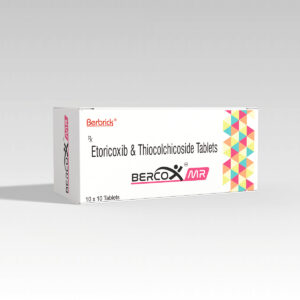
Etoricoxib 60 mg + Thiocolchicoside 4 mg, is a pain-relieving and muscle-relaxant medication often prescribed for musculoskeletal pain (like back pain, neck stiffness, or muscle spasm).
a) Etoricoxib – 60 mg
A selective COX-2 inhibitor NSAID.
Reduces pain, inflammation, and swelling.
Gentler on the stomach lining than older NSAIDs (like diclofenac or aceclofenac).
Provides long-lasting pain relief (up to 24 hours).
b) Thiocolchicoside – 4 mg
A centrally acting muscle relaxant (derived from the plant Colchicum autumnale).
Relieves muscle spasms and improves mobility.
Works by acting on GABA receptors in the brain and spinal cord to relax muscles without causing heavy sedation.
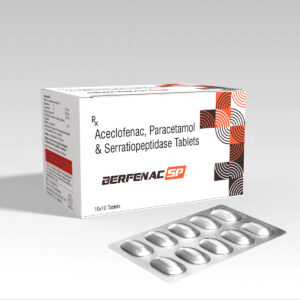
Aceclofenac 100 mg + Paracetamol 325 mg + Serratiopeptidase 15 mg is a powerful pain-relieving and anti-inflammatory medication widely used for joint, muscle, and postoperative pain.
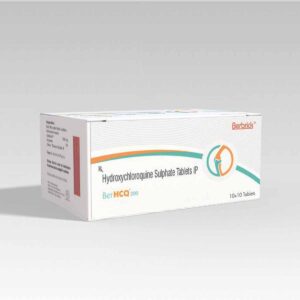
Hydroxychloroquine 200 mg Tablets — a medication that has anti-malarial, anti-inflammatory, and immune-modulating properties. It’s widely used in autoimmune diseases as well as for malaria prevention and treatment.
Hydroxychloroquine (HCQ) is a 4-aminoquinoline derivative, chemically related to chloroquine.
It acts as an antimalarial and an immunomodulator (alters immune activity).
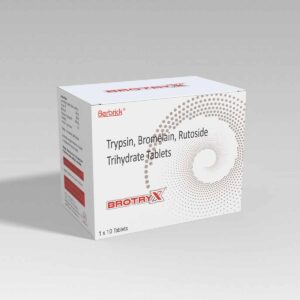
That’s a triple enzyme-bioflavonoid combination — Trypsin + Bromelain + Rutoside — widely used to treat inflammation, swelling, and pain, especially after injury or surgery.
a) Trypsin – 48 mg
A proteolytic (protein-digesting) enzyme derived from the pancreas.
Helps break down damaged proteins and inflammatory debris at injury sites.
Promotes faster healing, reduces swelling, and improves tissue regeneration.
b) Bromelain – 90 mg
A natural enzyme from pineapple stem.
Has anti-inflammatory, anti-edema, and analgesic properties.
Enhances blood circulation to injured tissue, reducing bruising and pain.
Works synergistically with trypsin to reduce inflammation faster.
c) Rutoside (Rutin) – 100 mg
A bioflavonoid antioxidant found in citrus fruits.
Strengthens blood vessel walls (capillary stabilizer), reduces leakage and swelling.
Provides antioxidant protection and improves microcirculation.
Enhances the anti-inflammatory effect of the enzymes.
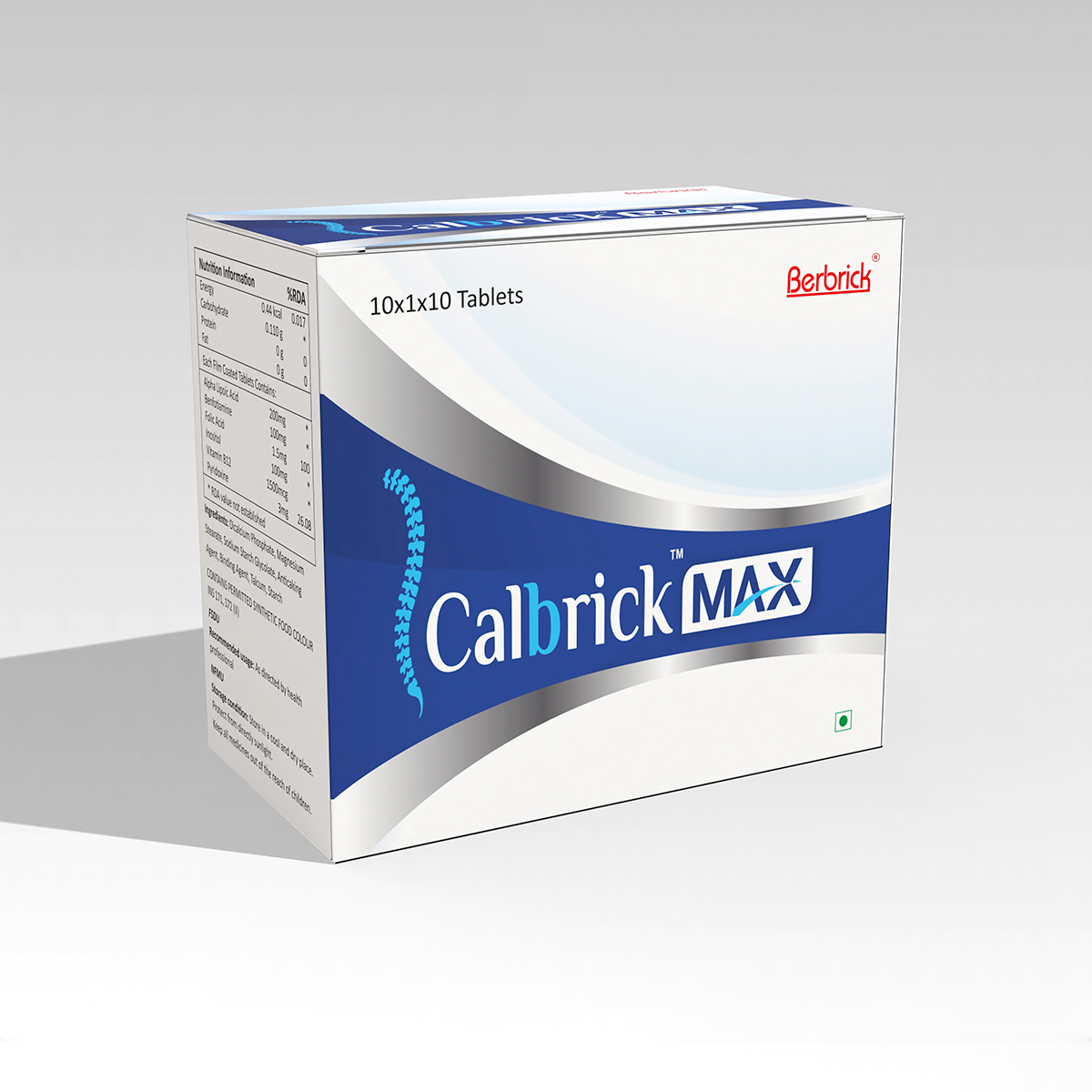

Calcitriol
Enhances intestinal calcium absorption and renal reabsorption, supporting blood calcium levels and bone mineralization.
Calcium Carbonate
Essential for bone strength; helps reduce fracture risk by preventing calcium deficiency.
EPA & DHA (Omega-3 Fatty Acids)
Modulate inflammatory pathways, reduce osteoclast activity, and promote osteoblast function—crucial for bone remodeling.
Boron
A trace mineral that helps maintain calcium, magnesium, and phosphorus levels in bones.
Folic Acid & Methylcobalamin (Vitamin B12)
Work together to reduce homocysteine levels, minimizing the risk of bone weakening and fractures.
Note: Zinc depletion can reduce the body’s response to calcitriol therapy.

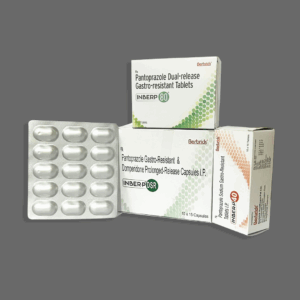

Pantoprazole is a medication that belongs to a class of drugs called proton pump inhibitors (PPIs). It is used to reduce the amount of acid produced in the stomach.
Common Uses:
Gastroesophageal reflux disease (GERD) – a condition where stomach acid frequently flows back into the esophagus.
Erosive esophagitis – inflammation of the esophagus due to stomach acid.
pantoprazole is a medication that belongs to a class of drugs called proton pump inhibitors (PPIs). It is used to reduce the amount of acid produced in the stomach.
Common Uses:
Gastroesophageal reflux disease (GERD) – a condition where stomach acid frequently flows back into the esophagus.
Erosive esophagitis – inflammation of the esophagus due to stomach acid.
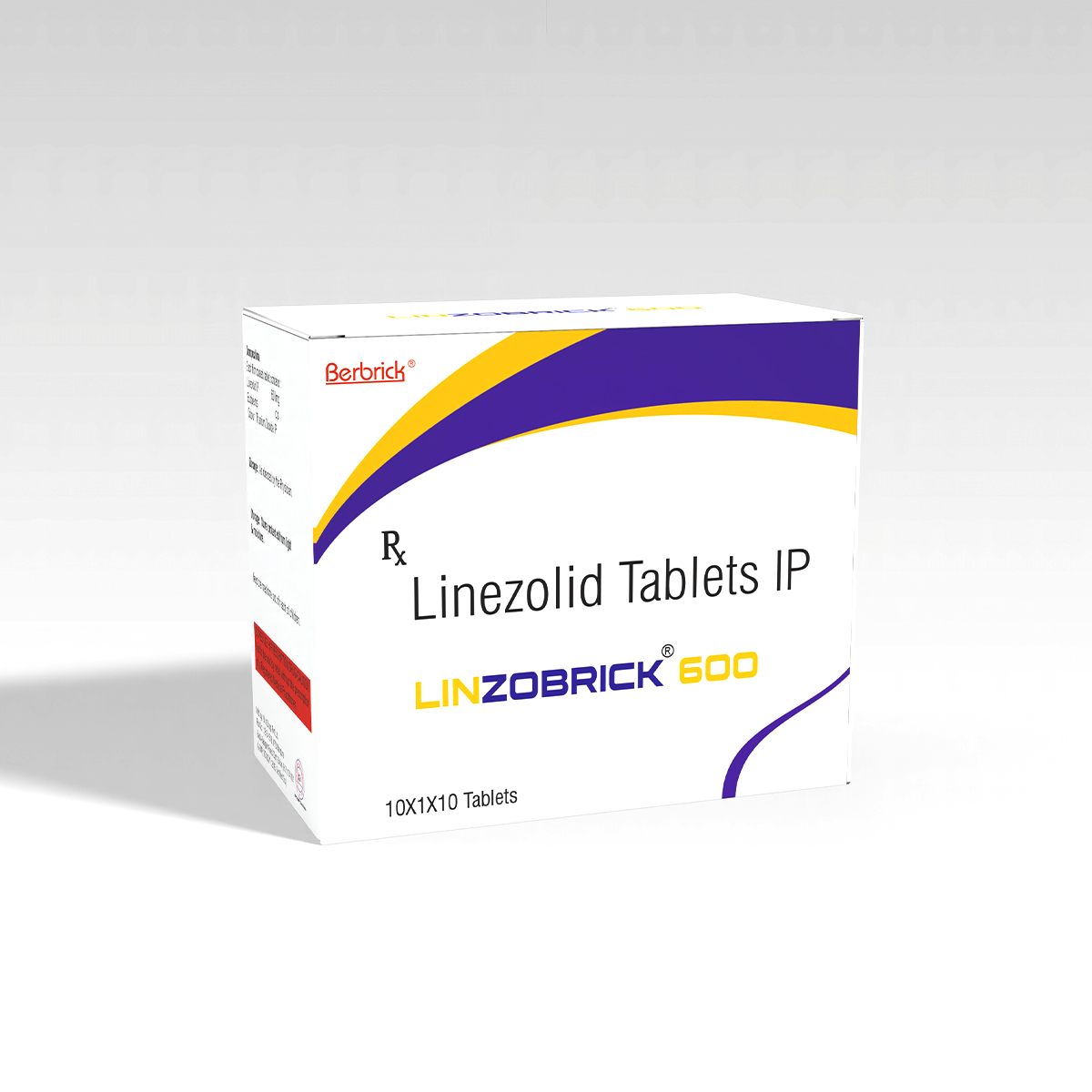
Linezolid 600 mg Tablets are a powerful antibiotic used to treat serious bacterial infections, particularly those caused by Gram-positive bacteria that are resistant to other antibiotics (like MRSA and VRE).
Linezolid belongs to the oxazolidinone class of antibiotics.
It’s a bacteriostatic (prevents bacterial growth) or bactericidal (kills bacteria, depending on species) agent.
Spectrum: Mainly effective against Gram-positive organisms, including resistant strains.
Mechanism of action:
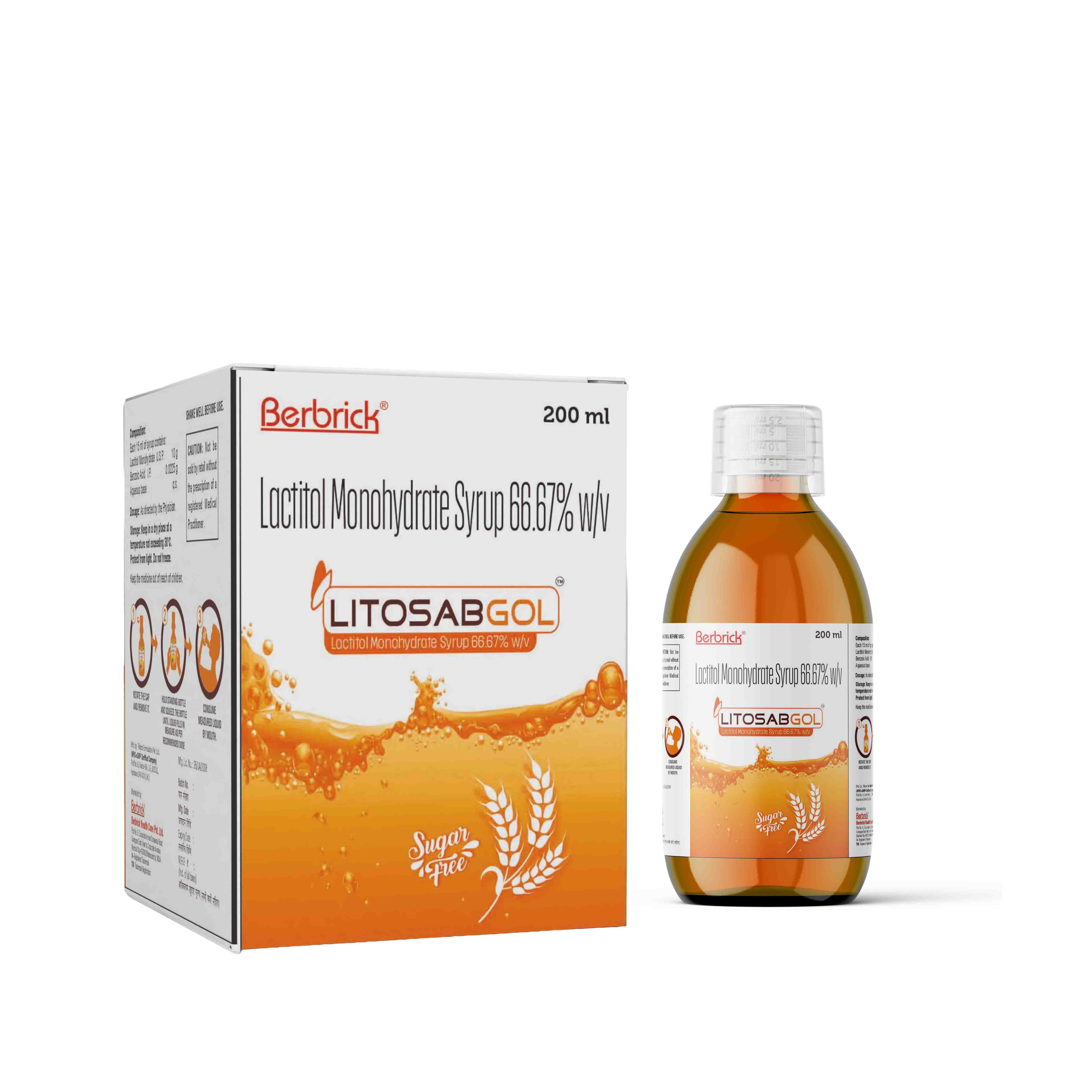
Lactitol monohydrate is poorly absorbed in the small intestine. When it reaches the large intestine, it draws water into the colon through osmosis.
This softens the stool and stimulates bowel movement.
It’s fermented by gut bacteria, producing short-chain fatty acids that increase colonic motility and further promote defecation.