
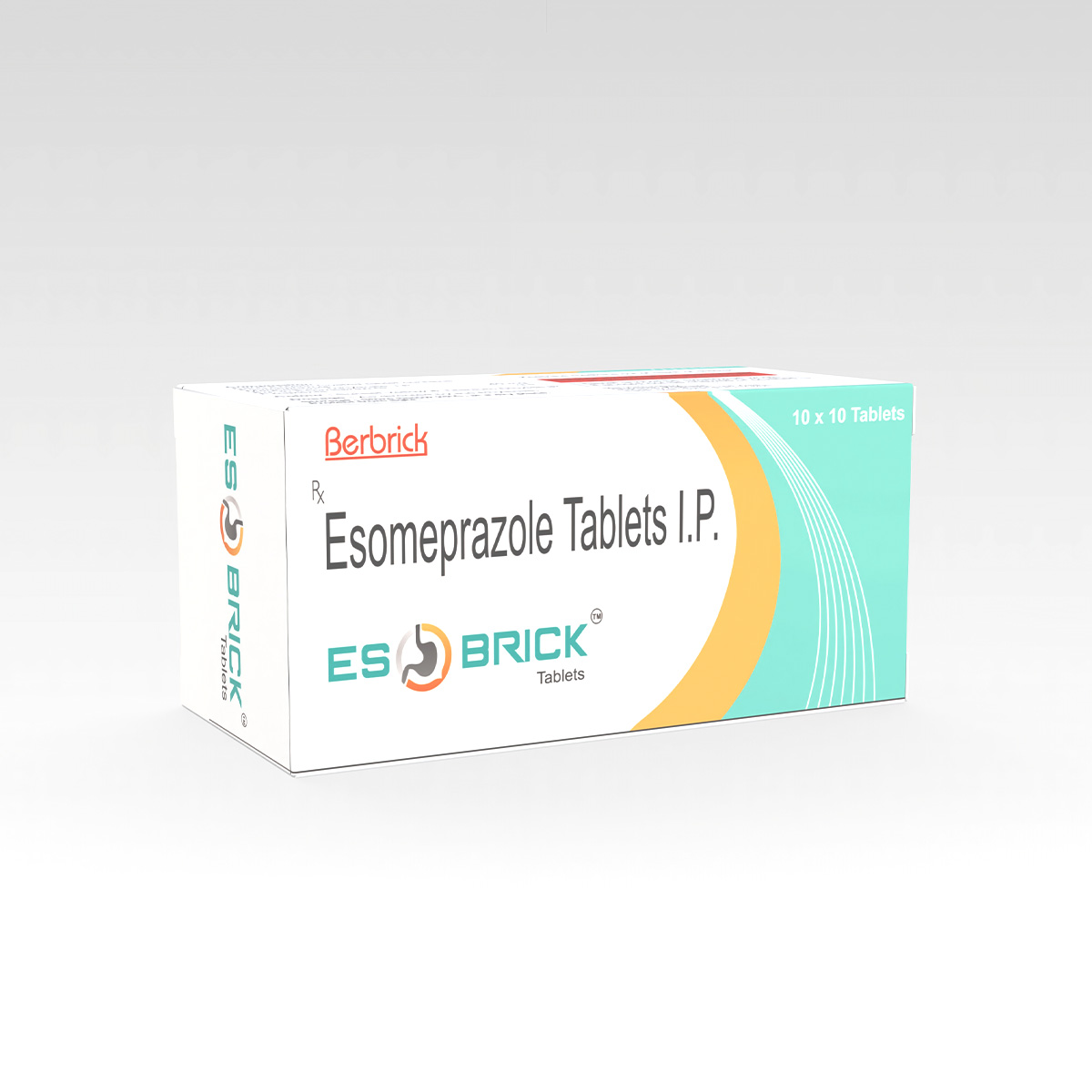
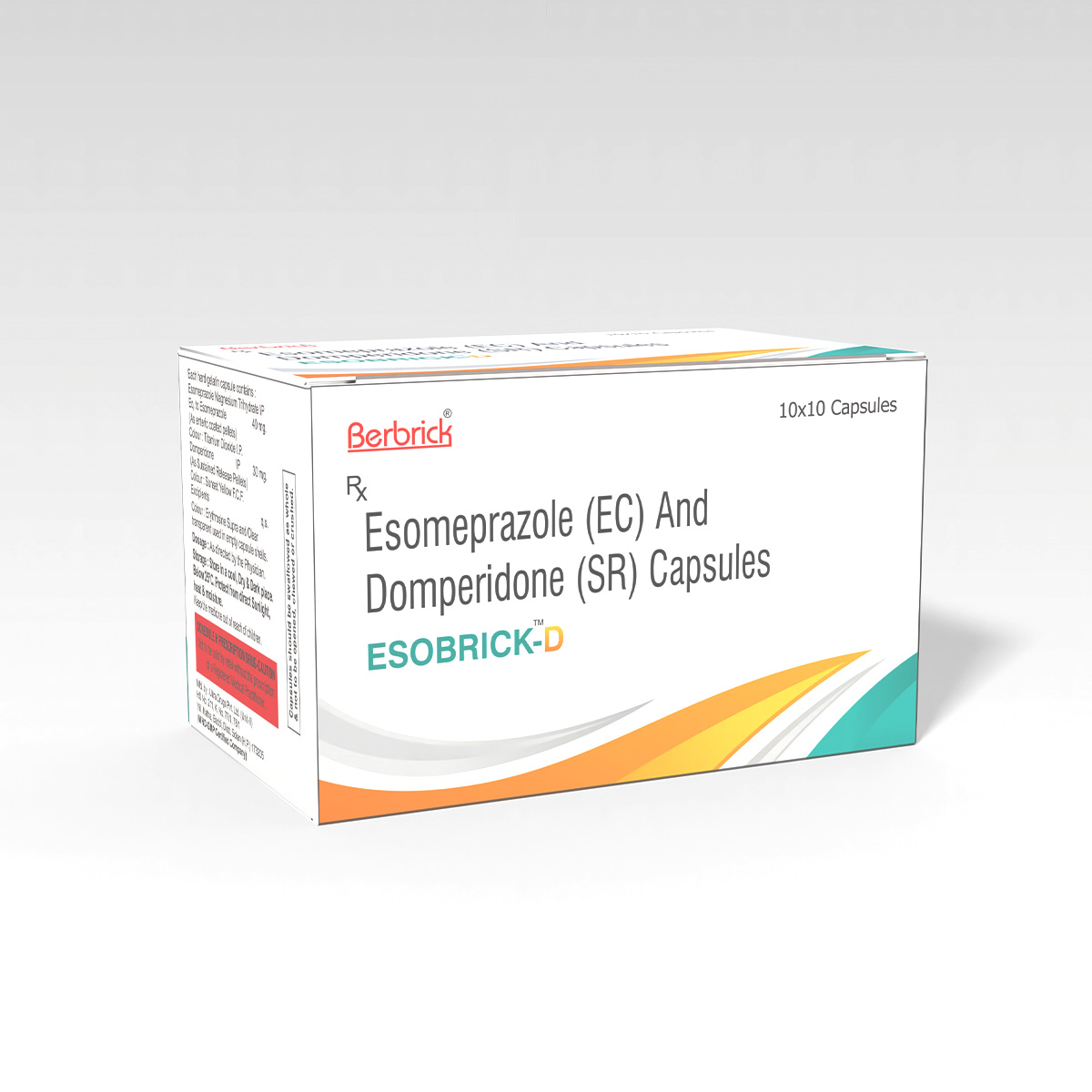
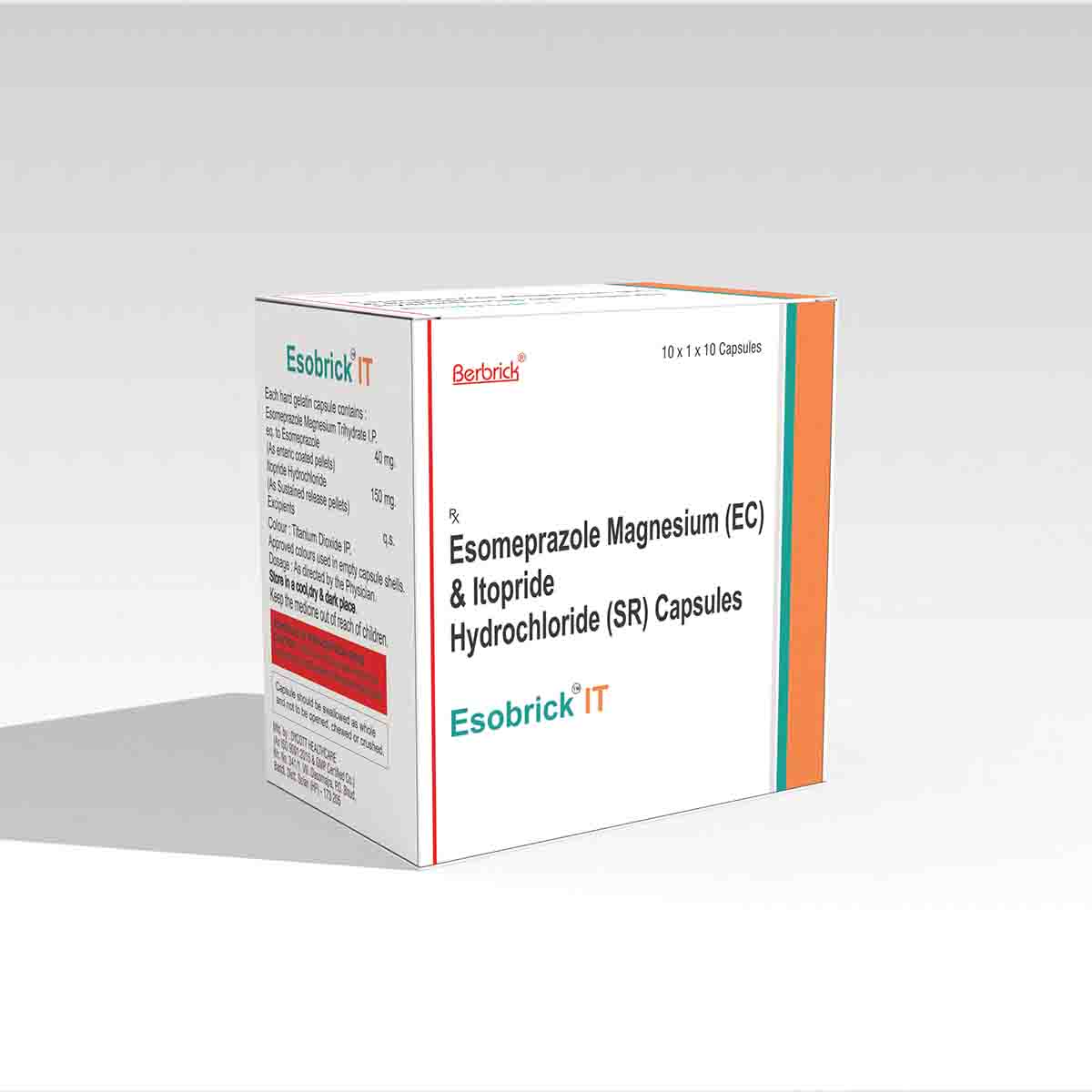
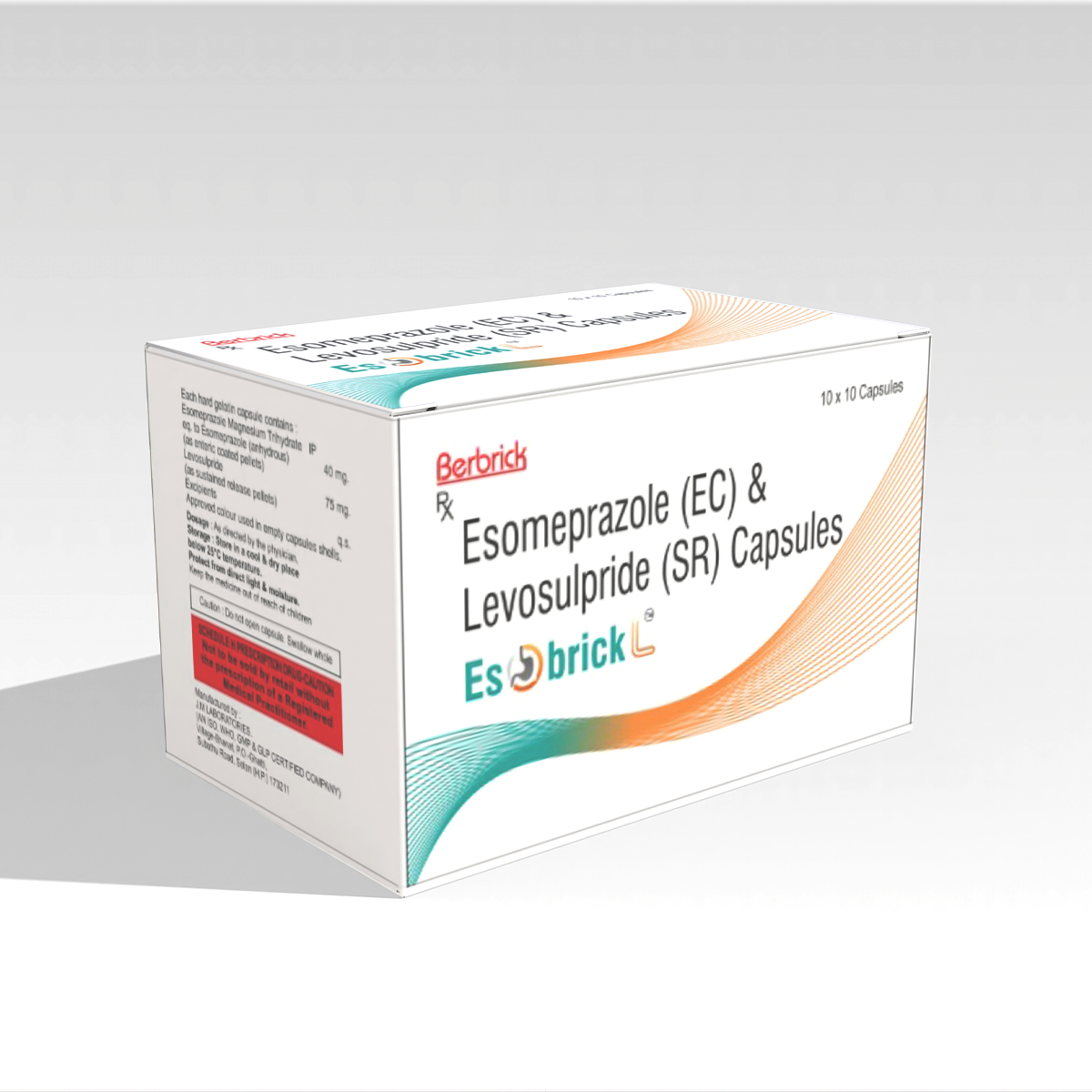
Gastroesophageal Reflux Disease (GERD) and Functional Dyspepsia are highly prevalent gastrointestinal disorders worldwide. These conditions often coexist, making clinical differentiation difficult.
The global prevalence of GERD is around 99%, and Functional Dyspepsia affects 20–30% of the general population.

Proton Pump Inhibitors (PPIs), alone or combined with prokinetic agents, are proven effective in relieving symptoms and improving quality of life in acid-related disorders.
Gastroesophageal Reflux Disease (GERD) and Functional Dyspepsia are highly prevalent gastrointestinal disorders worldwide. These conditions often coexist, making clinical differentiation difficult.
The global prevalence of GERD is around 99%, and Functional Dyspepsia affects 20–30% of the general population.
Proton Pump Inhibitors (PPIs), alone or combined with prokinetic agents, are proven effective in relieving symptoms and improving quality of life in acid-related disorders.
Gastroesophageal Reflux Disease (GERD) and Functional Dyspepsia are highly prevalent gastrointestinal disorders worldwide. These conditions often coexist, making clinical differentiation difficult.
The global prevalence of GERD is around 99%, and Functional Dyspepsia affects 20–30% of the general population.
Proton Pump Inhibitors (PPIs), alone or combined with prokinetic agents, are proven effective in relieving symptoms and improving quality of life in acid-related disorders.
Gastroesophageal Reflux Disease (GERD) and Functional Dyspepsia are highly prevalent gastrointestinal disorders worldwide. These conditions often coexist, making clinical differentiation difficult.
The global prevalence of GERD is around 99%, and Functional Dyspepsia affects 20–30% of the general population.
Proton Pump Inhibitors (PPIs), alone or combined with prokinetic agents, are proven effective in relieving symptoms and improving quality of life in acid-related disorders.

The combination Amoxicillin + Clavulanic Acid + Lactic Acid Bacillus is a triple formulation that includes two drug components and one probiotic. Here’s a clear breakdown
a) Amoxicillin
A broad-spectrum penicillin-type (β-lactam) antibiotic.
It works by inhibiting bacterial cell wall synthesis, leading to bacterial death.
Active against many Gram-positive and some Gram-negative bacteria.
b) Clavulanic Acid
A β-lactamase inhibitor (similar role to tazobactam).
It prevents bacterial enzymes (β-lactamases) from destroying amoxicillin, making the antibiotic more effective against resistant strains.
c) Lactic Acid Bacillus
A probiotic (friendly bacteria) added to prevent or reduce antibiotic-associated diarrhea and restore the natural gut flora disturbed by antibiotics.
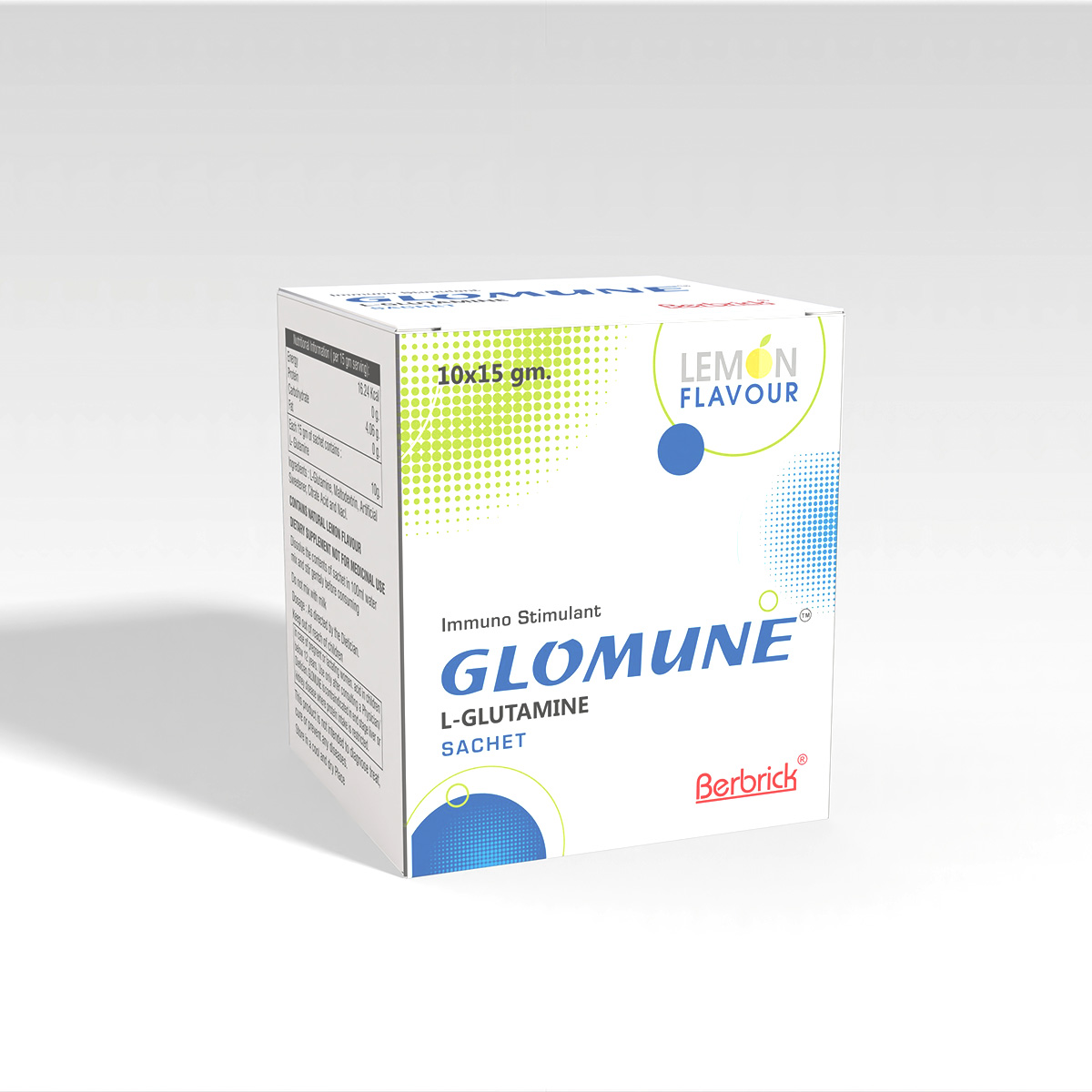
L‑Glutamine in granule form, which can be used orally as well as through tube feeding. L‑Glutamine, an immuno‑enhancer, serves as an effective fuel for intestinal cells and improves gut function. It is indicated for various critical disorders as under:
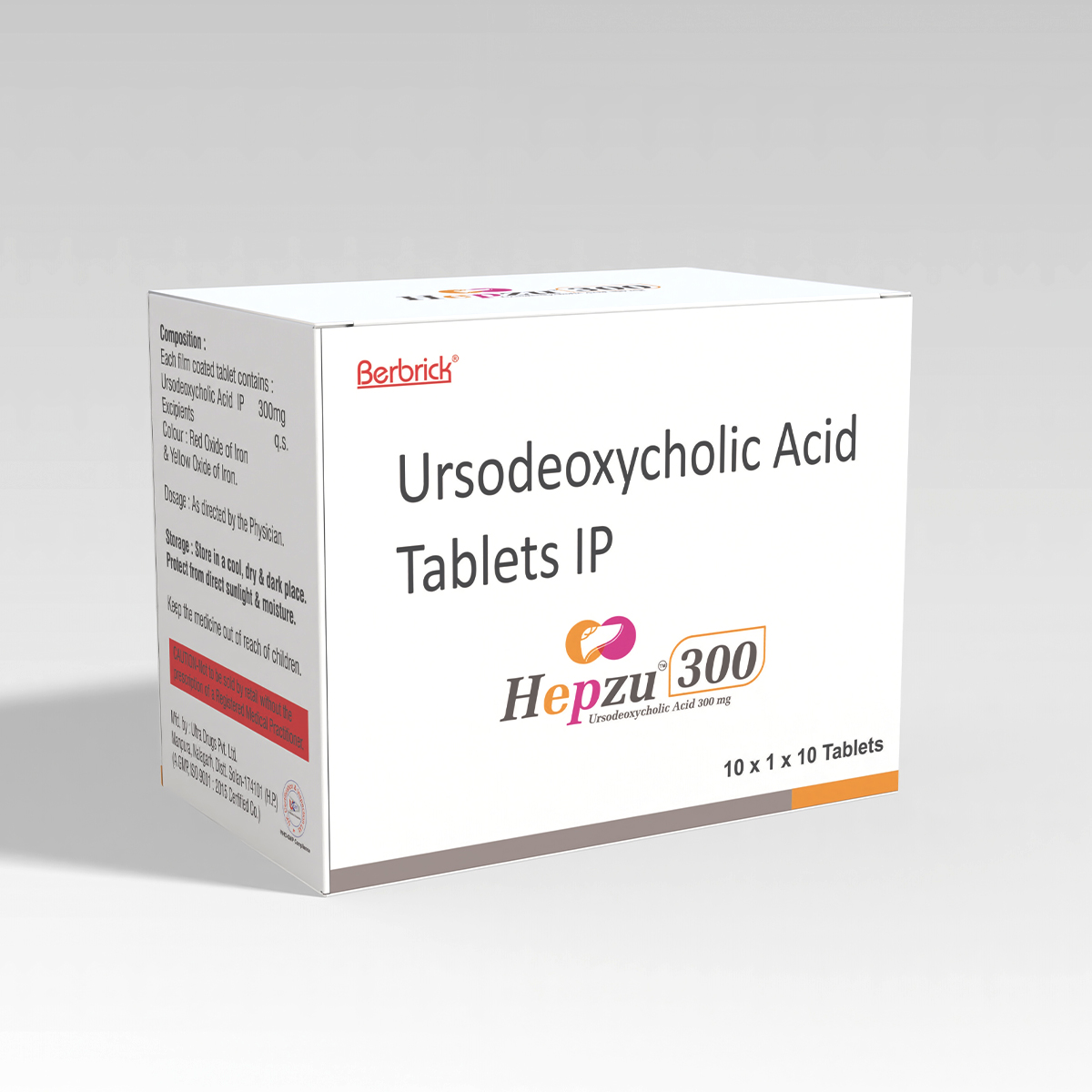
HEPZU™ 300 Micronized contains Ursodeoxycholic Acid (UDCA), a hepatoprotective agent. It is used to dissolve cholesterol gallstones and manage various liver-related disorders such as primary biliary cirrhosis, primary sclerosing cholangitis, and intrahepatic cholestasis.

Pantoprazole is a medication that belongs to a class of drugs called proton pump inhibitors (PPIs). It is used to reduce the amount of acid produced in the stomach.
Common Uses:
Gastroesophageal reflux disease (GERD) – a condition where stomach acid frequently flows back into the esophagus.
Erosive esophagitis – inflammation of the esophagus due to stomach acid.
pantoprazole is a medication that belongs to a class of drugs called proton pump inhibitors (PPIs). It is used to reduce the amount of acid produced in the stomach.
Common Uses:
Gastroesophageal reflux disease (GERD) – a condition where stomach acid frequently flows back into the esophagus.
Erosive esophagitis – inflammation of the esophagus due to stomach acid.
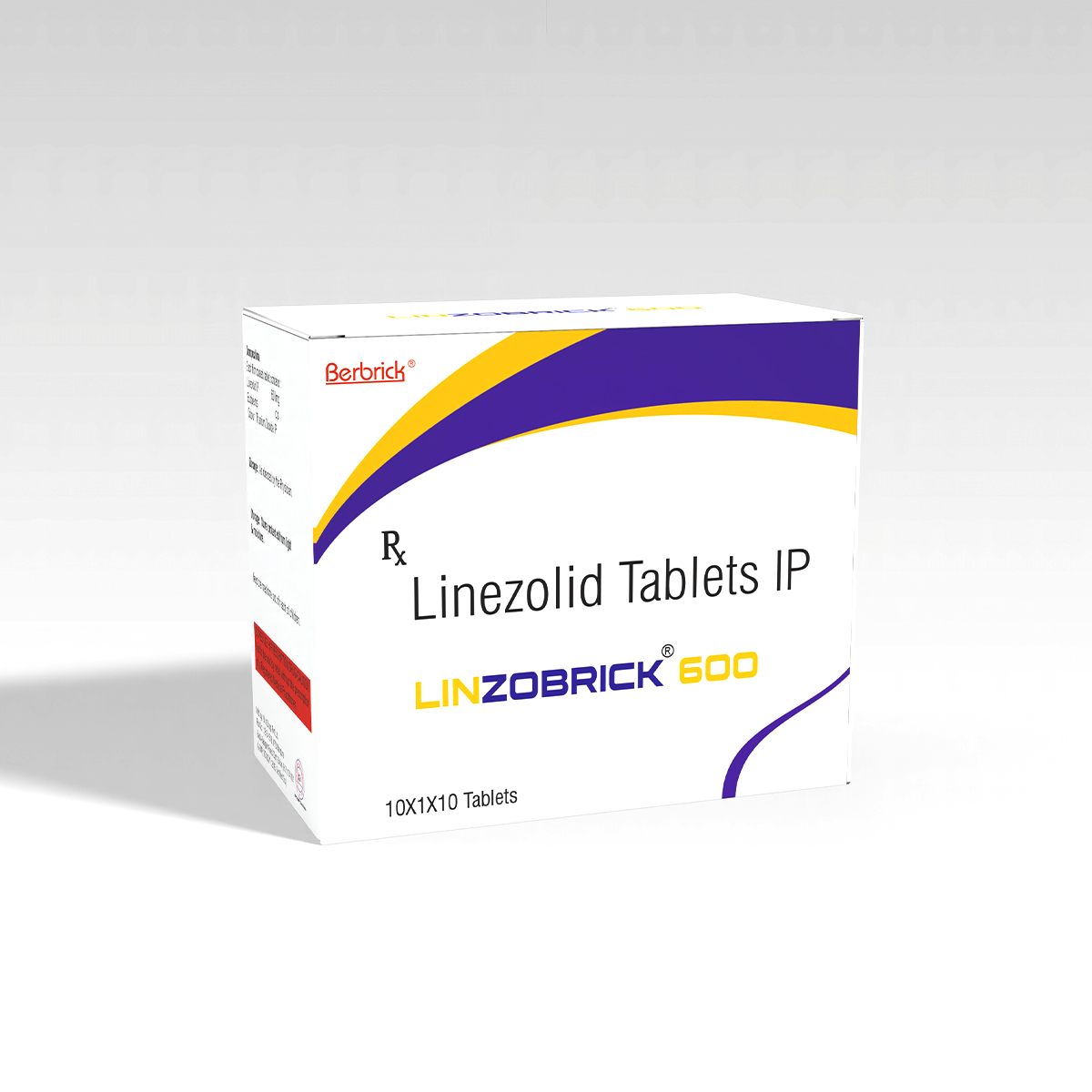
Linezolid 600 mg Tablets are a powerful antibiotic used to treat serious bacterial infections, particularly those caused by Gram-positive bacteria that are resistant to other antibiotics (like MRSA and VRE).
Linezolid belongs to the oxazolidinone class of antibiotics.
It’s a bacteriostatic (prevents bacterial growth) or bactericidal (kills bacteria, depending on species) agent.
Spectrum: Mainly effective against Gram-positive organisms, including resistant strains.