Mechanism of action:
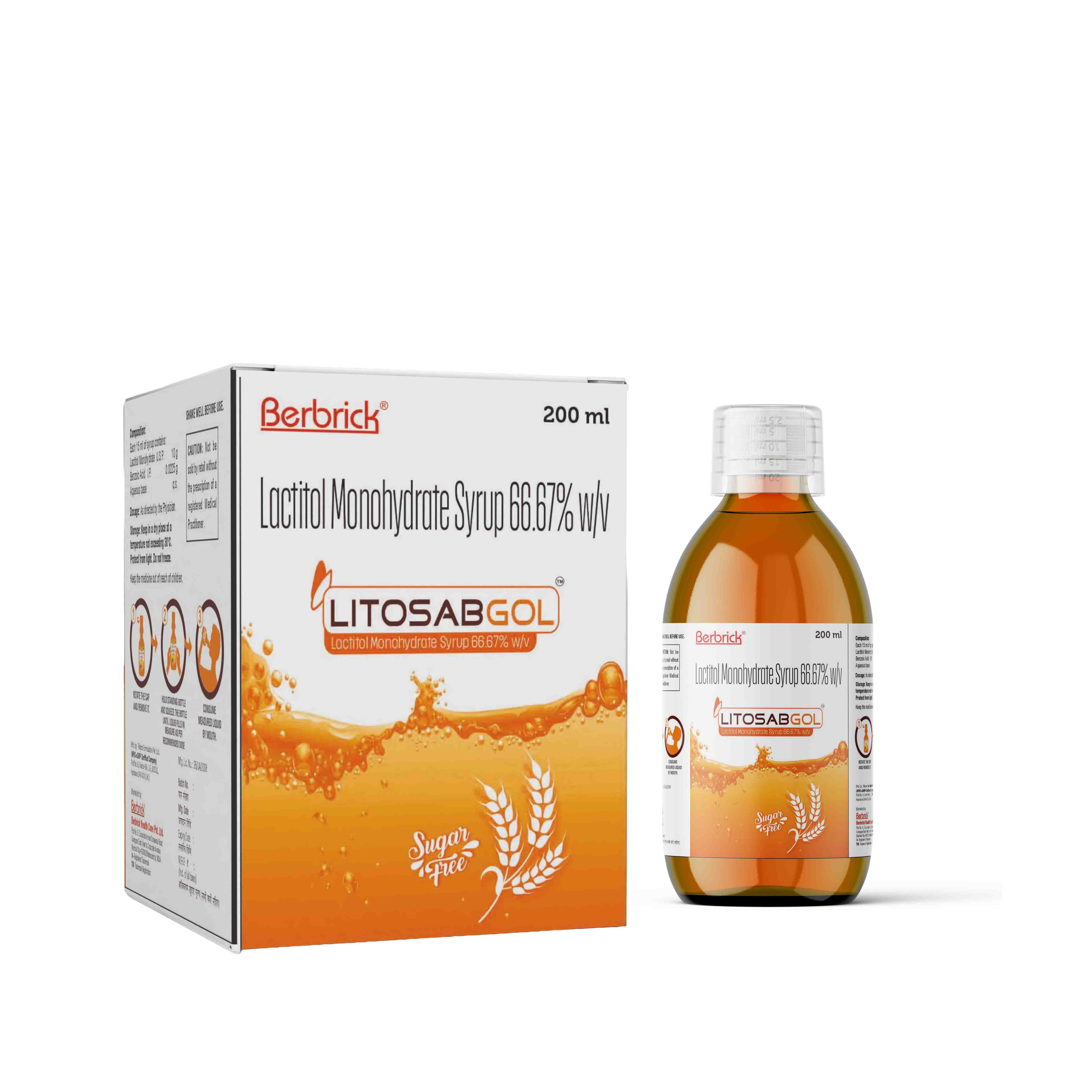
Lactitol monohydrate is poorly absorbed in the small intestine. When it reaches the large intestine, it draws water into the colon through osmosis.
This softens the stool and stimulates bowel movement.
It’s fermented by gut bacteria, producing short-chain fatty acids that increase colonic motility and further promote defecation.
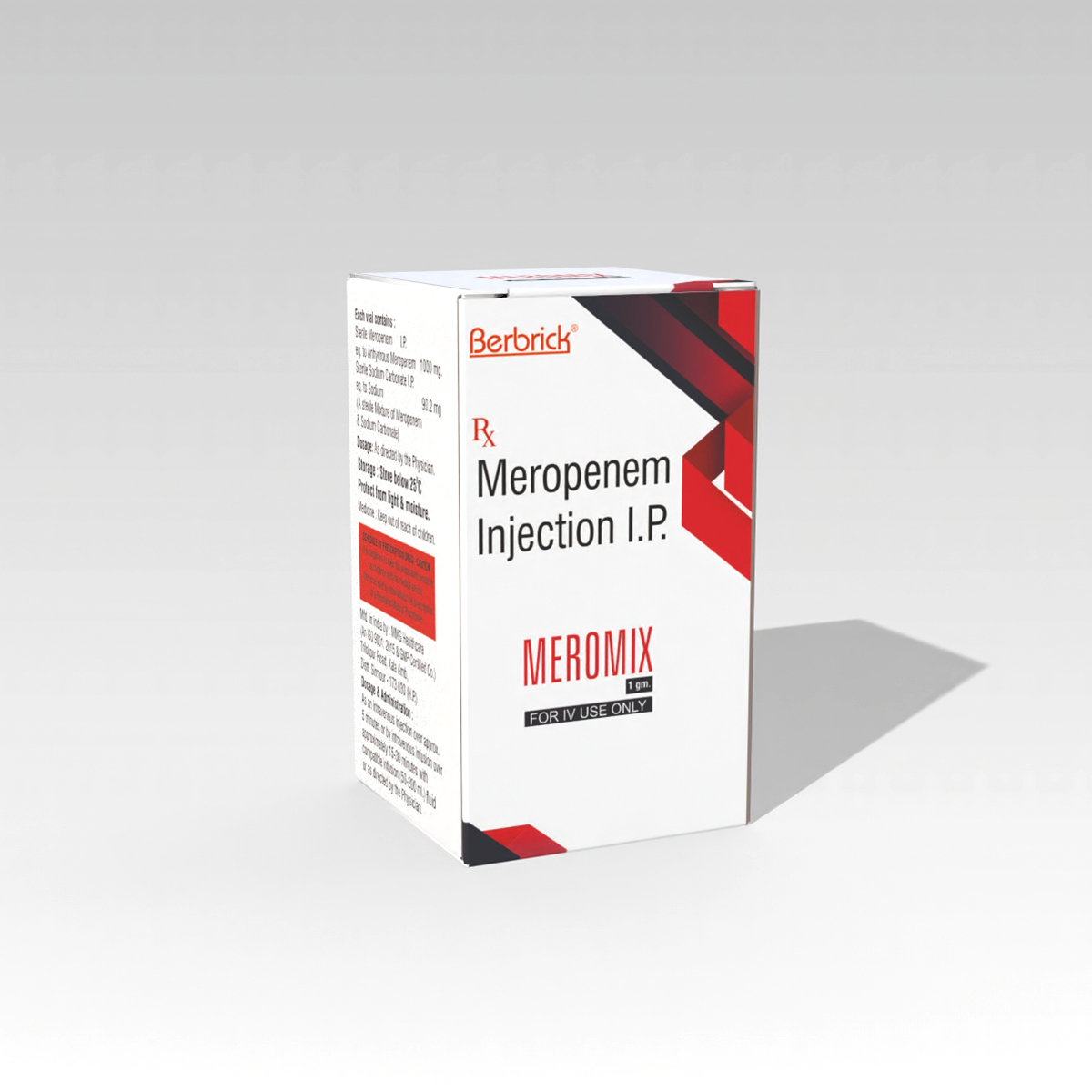
Background: (Meropenem for Injection) is a sterile, pyrogen-free, synthetic broad-spectrum carbapenem antibiotic for intravenous administration. It is effective against a wide range of gram-positive and gram-negative pathogens, including anaerobes.
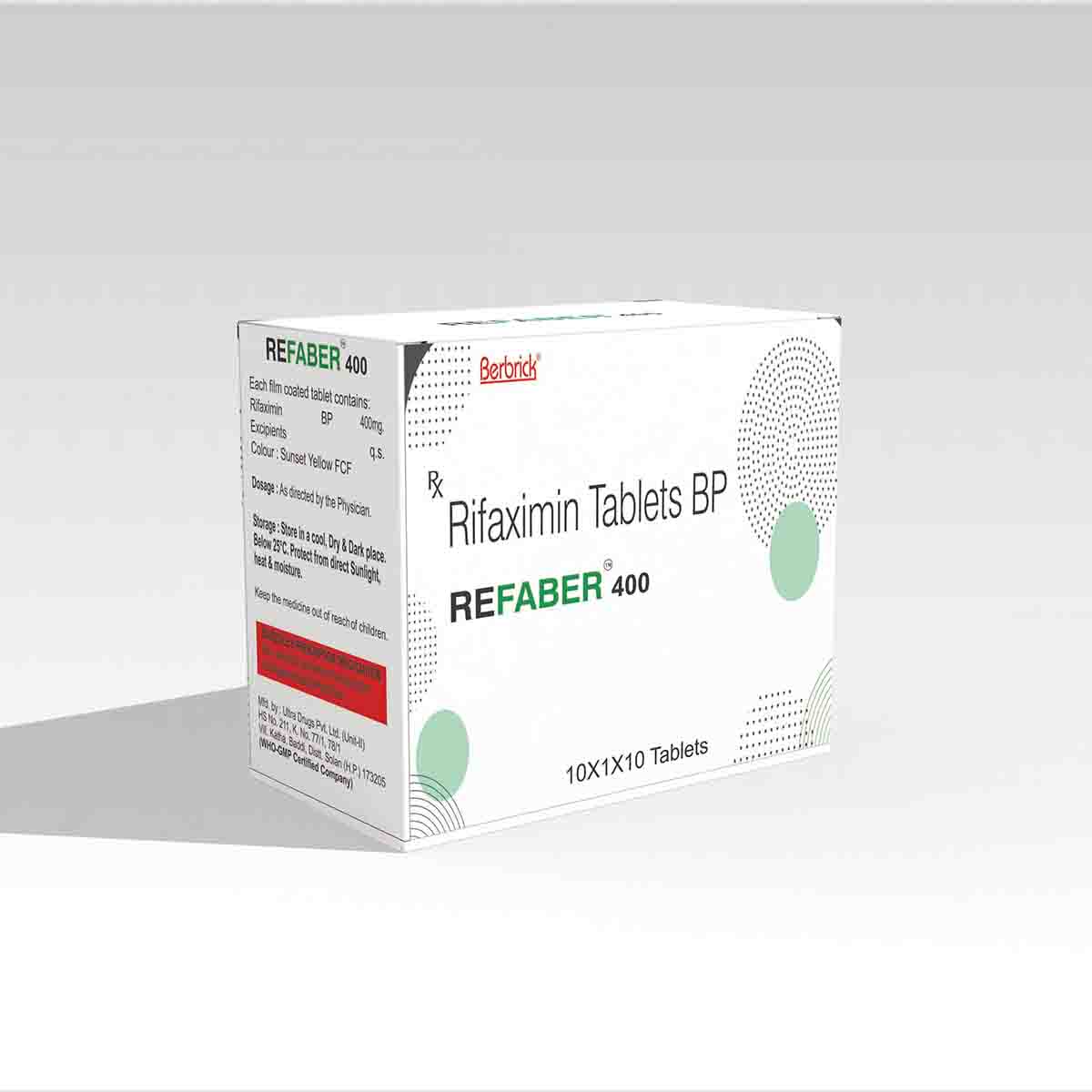
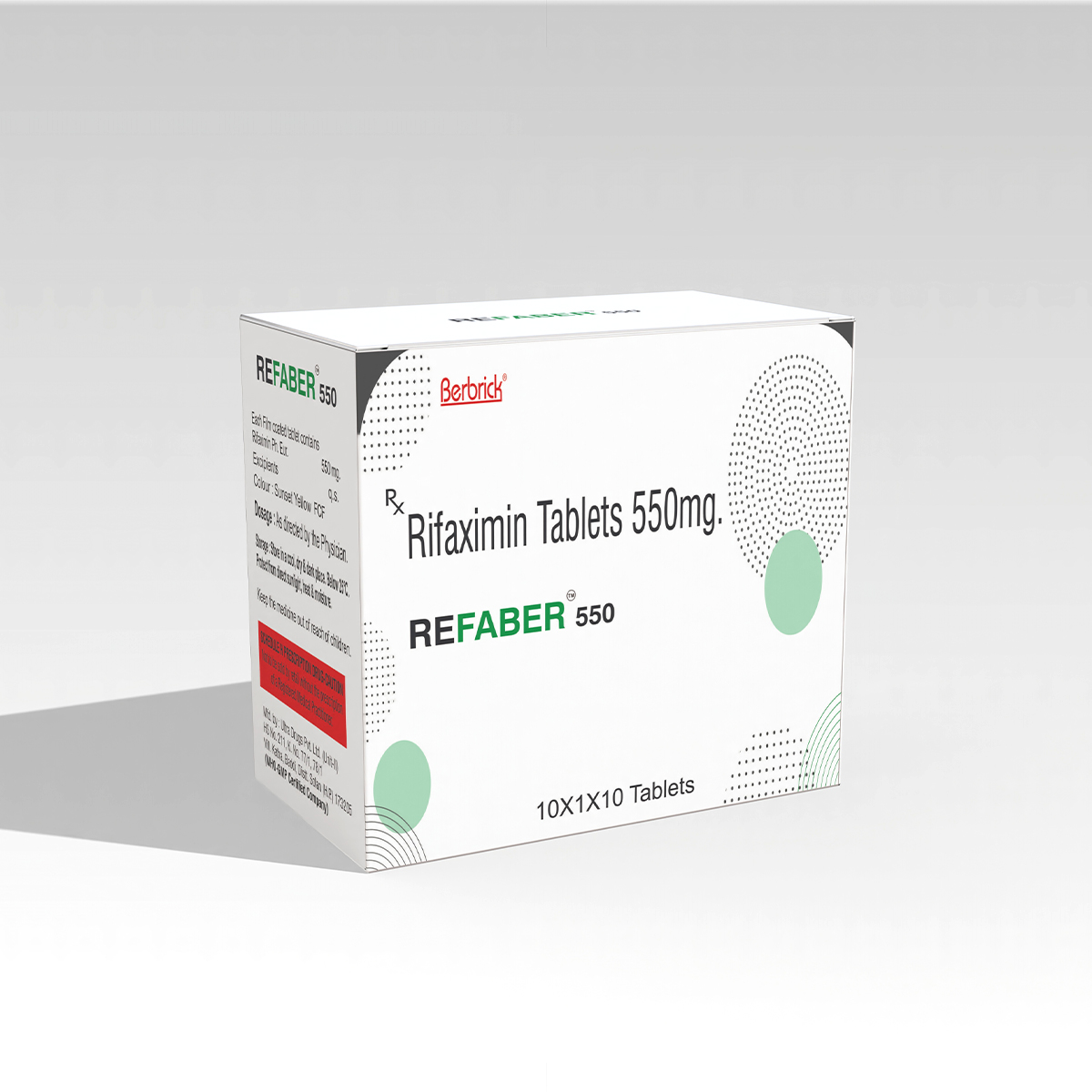
Rifaximin is an antibiotic medication primarily used to treat certain gastrointestinal conditions.
1. Irritable Bowel Syndrome (IBS) with Diarrhea: Rifaximin helps alleviate symptoms like bloating, abdominal pain, and diarrhea.
2. Hepatic Encephalopathy (HE): Rifaximin reduces the risk of HE episodes in patients with liver disease by decreasing ammonia-producing gut bacteria.
3. Traveler’s Diarrhea: Rifaximin can prevent and treat traveler’s diarrhea caused by certain bacteria.
Rifaximin is an antibiotic medication primarily used to treat certain gastrointestinal conditions.
1. Irritable Bowel Syndrome (IBS) with Diarrhea: Rifaximin helps alleviate symptoms like bloating, abdominal pain, and diarrhea.
2. Hepatic Encephalopathy (HE): Rifaximin reduces the risk of HE episodes in patients with liver disease by decreasing ammonia-producing gut bacteria.
3. Traveler’s Diarrhea: Rifaximin can prevent and treat traveler’s diarrhea caused by certain bacteria.
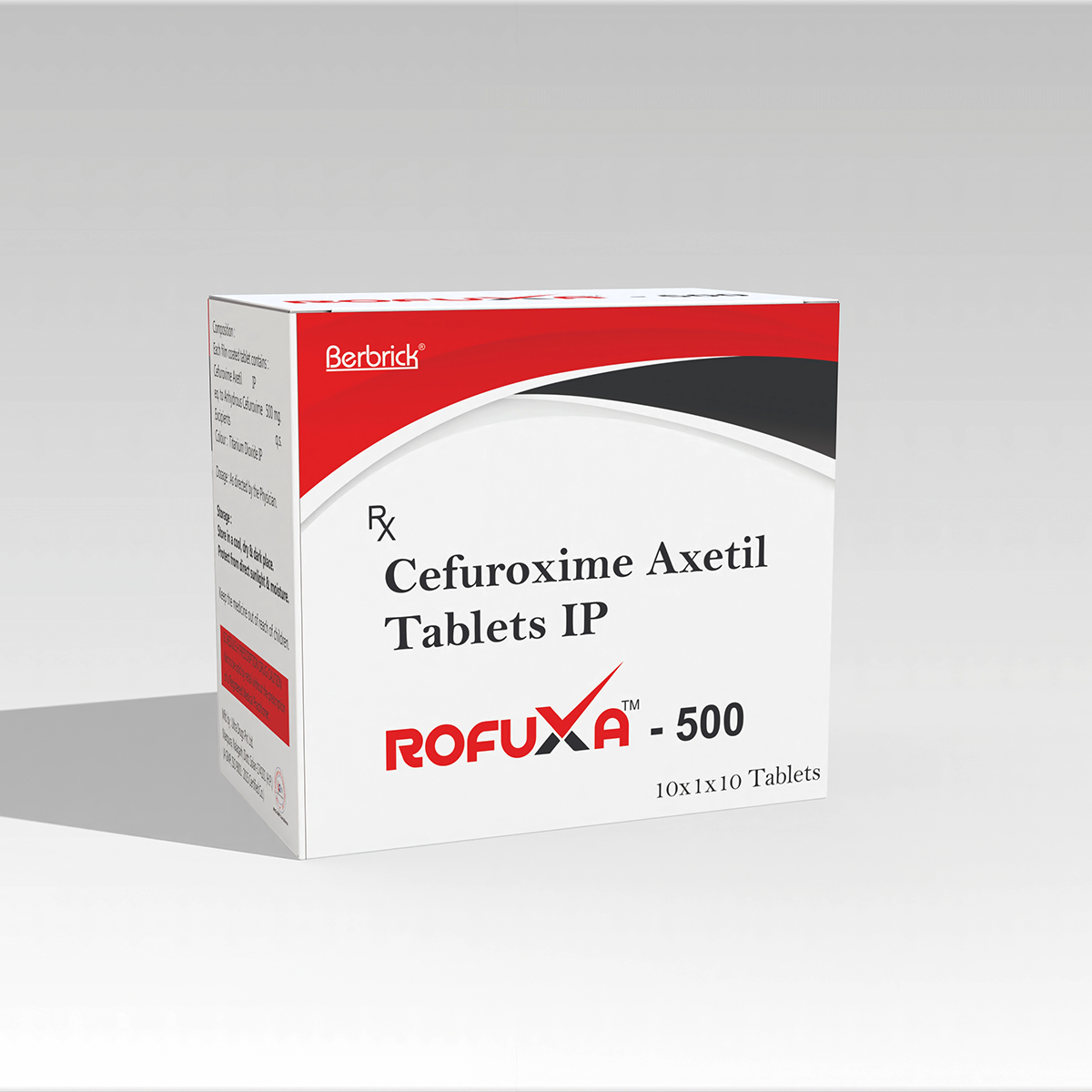
ROFUXA 500 is an oral antibiotic containing Cefuroxime Axetil, a broad-spectrum second-generation cephalosporin. It is effective against a wide range of gram-positive and gram-negative bacteria, including many β-lactamase–producing strains.
Cefuroxime Axetil 500 mg + Clavulanic Acid 125 mg, a broad-spectrum antibiotic combination used for treating moderate to severe bacterial infections, especially those resistant to ordinary cephalosporins or penicillins.
a) Cefuroxime Axetil – 500 mg
A second-generation cephalosporin antibiotic.
Mechanism: Inhibits bacterial cell wall synthesis, leading to cell death.
Effective against both Gram-positive and Gram-negative organisms.
Active against Streptococcus pneumoniae, Staphylococcus aureus (non-MRSA), E. coli, Klebsiella, Haemophilus influenzae, Neisseria, etc.
b) Clavulanic Acid – 125 mg
A β-lactamase inhibitor.
Protects cefuroxime from being broken down by β-lactamase-producing bacteria, thereby extending its spectrum.
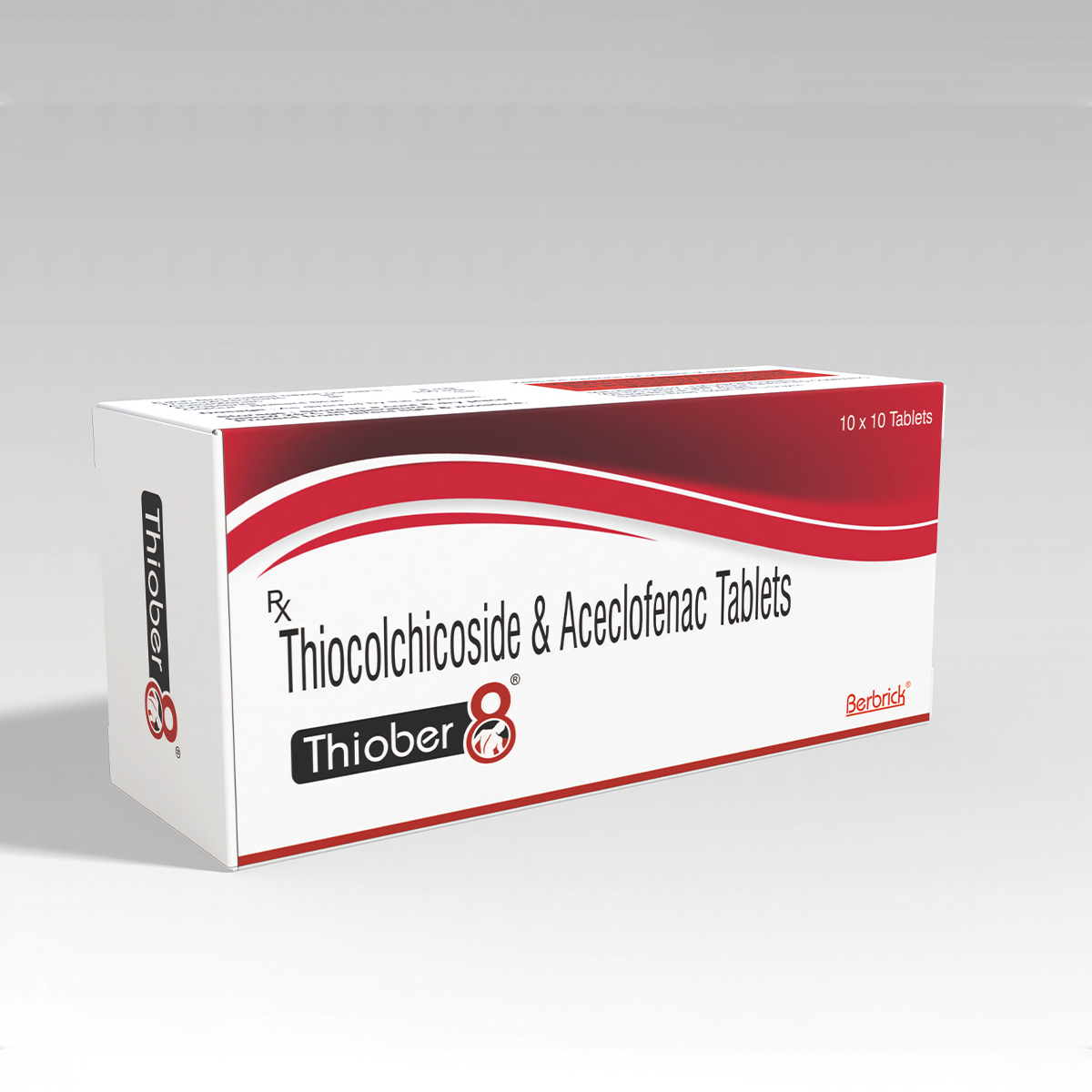

The combination Thiocolchicoside + Aceclofenac is a muscle relaxant and pain reliever duo commonly prescribed for musculoskeletal pain, such as back pain, neck pain, or joint pain
a) Thiocolchicoside
A muscle relaxant derived from the natural compound colchicoside (from the colchicum plant).
Mechanism: Acts on the central nervous system (spinal cord and brain) to inhibit excessive muscle contractions and relieve muscle spasms.
Effect: Reduces stiffness, improves mobility, and eases muscle-related pain.
b) Aceclofenac
A non-steroidal anti-inflammatory drug (NSAID) related to diclofenac.
Mechanism: Inhibits COX-1 and COX-2 enzymes, reducing the synthesis of prostaglandins that cause pain, inflammation, and fever.
Effect: Provides analgesic (pain relief), anti-inflammatory, and antipyretic (fever-reducing) action.
Adenosine (often referred to as Adenosine monophosphate or AMP in its active form) is a naturally occurring compound in the body that plays a role in energy transfer, cellular metabolism, and several important physiological functions. It’s also a key component of adenosine triphosphate (ATP), which is essential for energy production in cells.
However, there isn’t a common supplement or medication known specifically as “Adenetionine.”
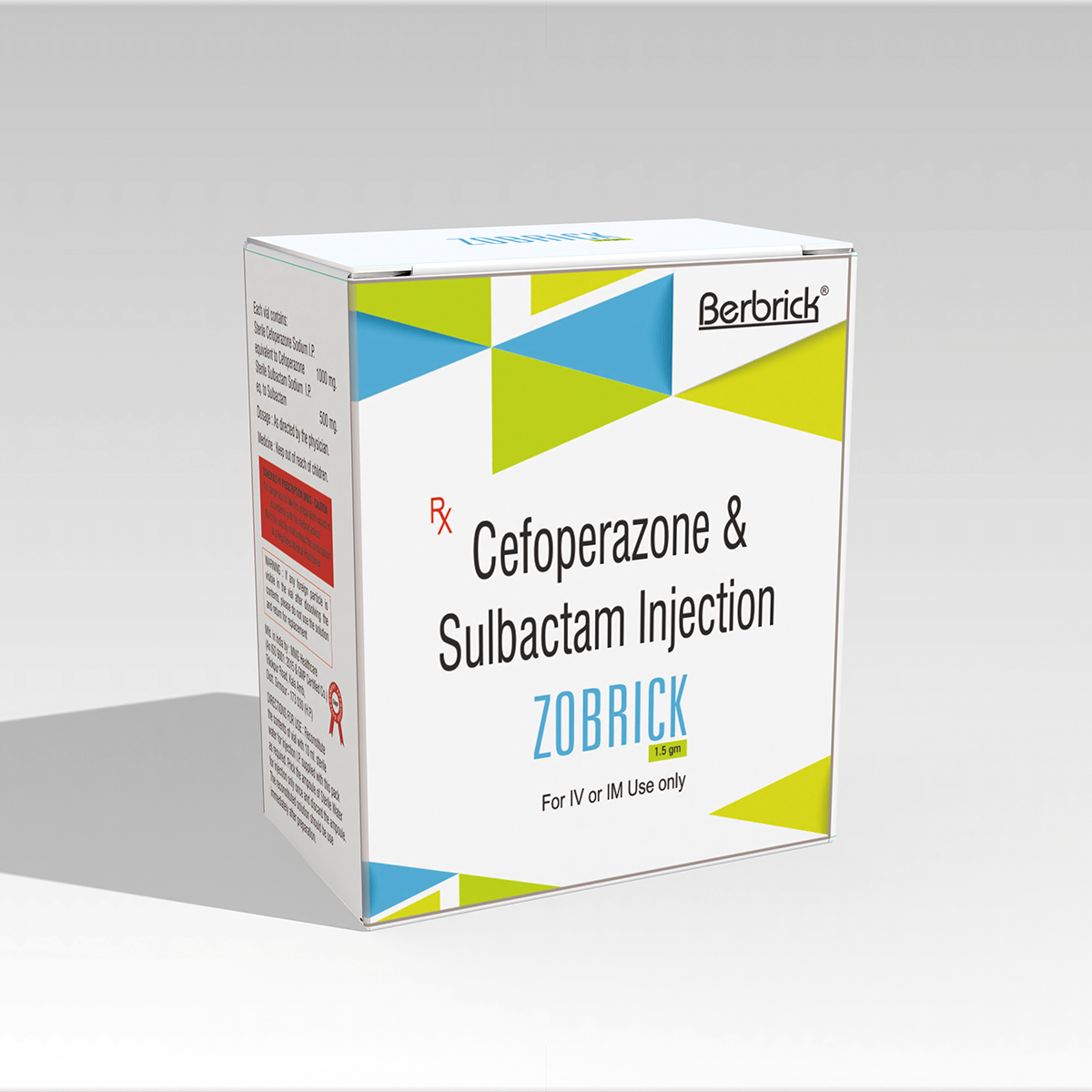
Zobrick is a combination of Cefoperazone, a third-generation cephalosporin, and Sulbactam, a β-lactamase inhibitor. This synergistic combination is formulated in a fixed ratio to effectively treat bacterial infections, especially those caused by β-lactamase-producing resistant pathogens.