Respiratory tract infections and allergic airway disorders are among the most common causes of morbidity in both children and adults. Conditions such as acute bronchitis, bronchial asthma, chronic bronchitis, and lower respiratory tract infections are frequently associated with excessive mucus production, bronchospasm, and airway inflammation. These conditions often present with productive cough, chest congestion, wheezing, and breathing difficulty, affecting the patient’s daily activities and quality of life.
Effective treatment requires not only relieving bronchospasm but also facilitating mucus clearance and improving airway patency.
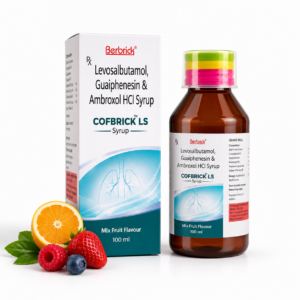
COFBRICK LS SYRUP is a scientifically formulated combination of Levosalbutamol, Ambroxol Hydrochloride, and Guaiphenesin that provides bronchodilation, mucolytic action, and expectoration, helping patients breathe more comfortably while relieving productive cough and chest congestion.
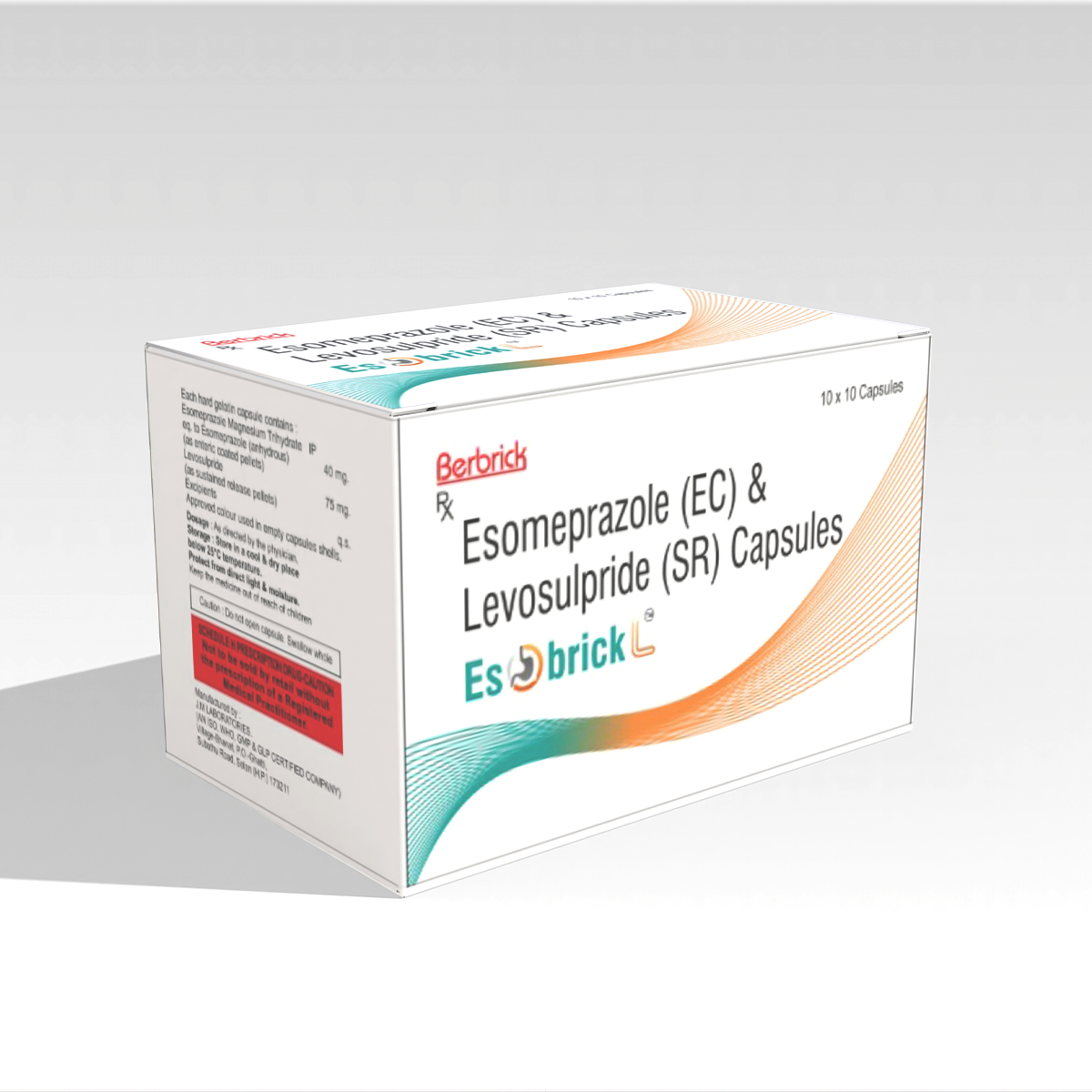
Gastroesophageal Reflux Disease (GERD) and Functional Dyspepsia are highly prevalent gastrointestinal disorders worldwide. These conditions often coexist, making clinical differentiation difficult.
The global prevalence of GERD is around 99%, and Functional Dyspepsia affects 20–30% of the general population.
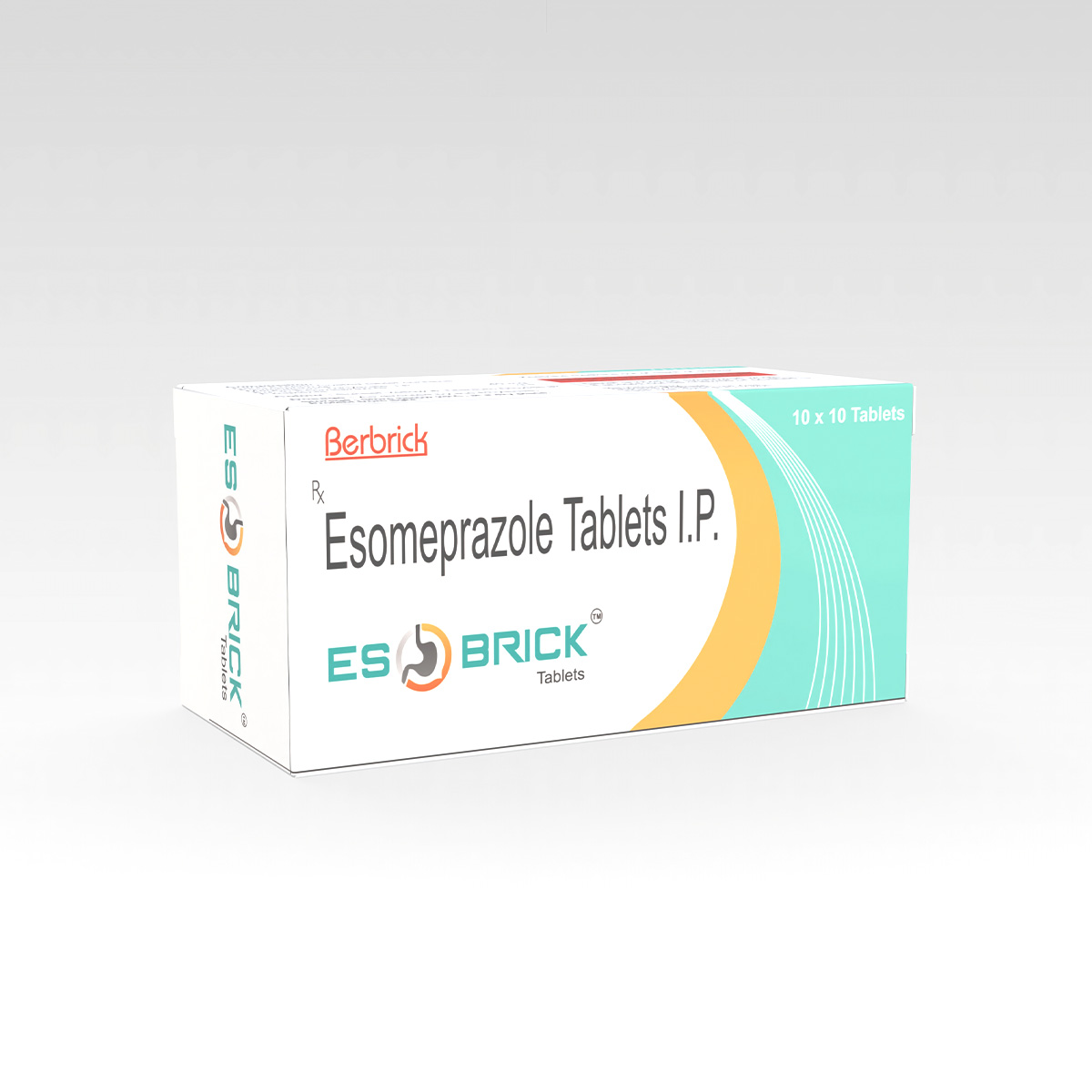
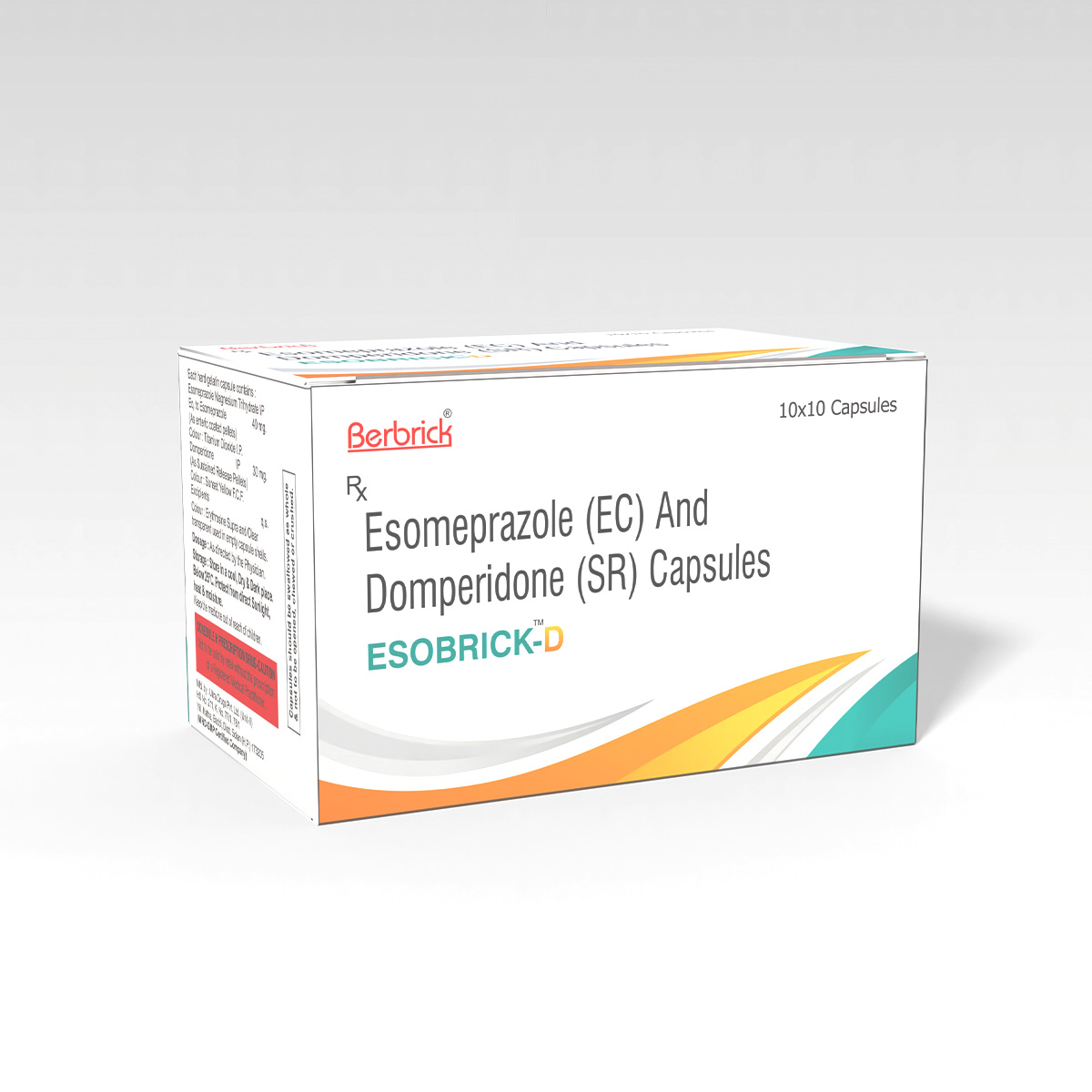
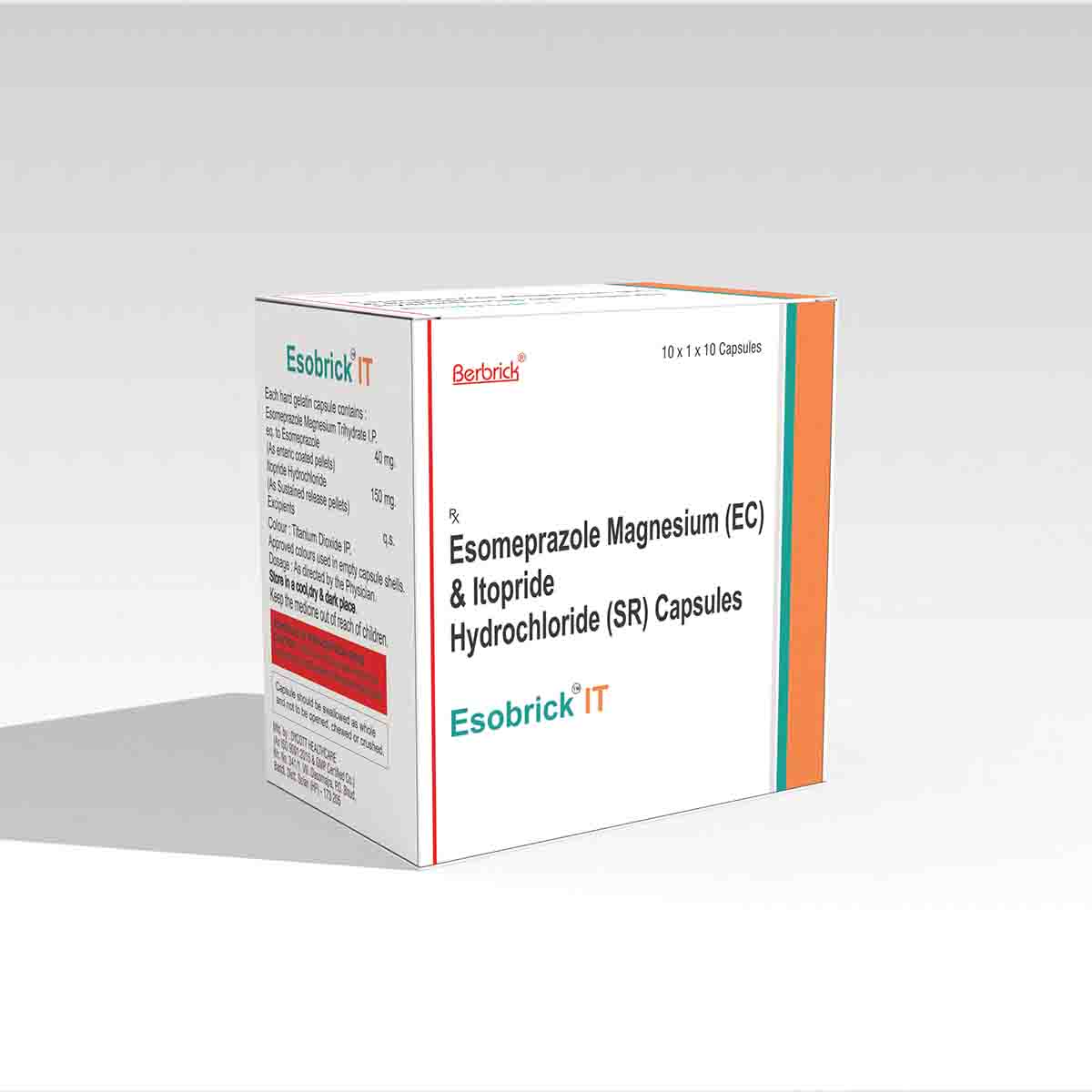
Proton Pump Inhibitors (PPIs), alone or combined with prokinetic agents, are proven effective in relieving symptoms and improving quality of life in acid-related disorders.
Gastroesophageal Reflux Disease (GERD) and Functional Dyspepsia are highly prevalent gastrointestinal disorders worldwide. These conditions often coexist, making clinical differentiation difficult.
The global prevalence of GERD is around 99%, and Functional Dyspepsia affects 20–30% of the general population.
Proton Pump Inhibitors (PPIs), alone or combined with prokinetic agents, are proven effective in relieving symptoms and improving quality of life in acid-related disorders.
Gastroesophageal Reflux Disease (GERD) and Functional Dyspepsia are highly prevalent gastrointestinal disorders worldwide. These conditions often coexist, making clinical differentiation difficult.
The global prevalence of GERD is around 99%, and Functional Dyspepsia affects 20–30% of the general population.
Proton Pump Inhibitors (PPIs), alone or combined with prokinetic agents, are proven effective in relieving symptoms and improving quality of life in acid-related disorders.
Gastroesophageal Reflux Disease (GERD) and Functional Dyspepsia are highly prevalent gastrointestinal disorders worldwide. These conditions often coexist, making clinical differentiation difficult.
The global prevalence of GERD is around 99%, and Functional Dyspepsia affects 20–30% of the general population.
Proton Pump Inhibitors (PPIs), alone or combined with prokinetic agents, are proven effective in relieving symptoms and improving quality of life in acid-related disorders.

The combination Amoxicillin + Clavulanic Acid + Lactic Acid Bacillus is a triple formulation that includes two drug components and one probiotic. Here’s a clear breakdown
a) Amoxicillin
A broad-spectrum penicillin-type (β-lactam) antibiotic.
It works by inhibiting bacterial cell wall synthesis, leading to bacterial death.
Active against many Gram-positive and some Gram-negative bacteria.
b) Clavulanic Acid
A β-lactamase inhibitor (similar role to tazobactam).
It prevents bacterial enzymes (β-lactamases) from destroying amoxicillin, making the antibiotic more effective against resistant strains.
c) Lactic Acid Bacillus
A probiotic (friendly bacteria) added to prevent or reduce antibiotic-associated diarrhea and restore the natural gut flora disturbed by antibiotics.
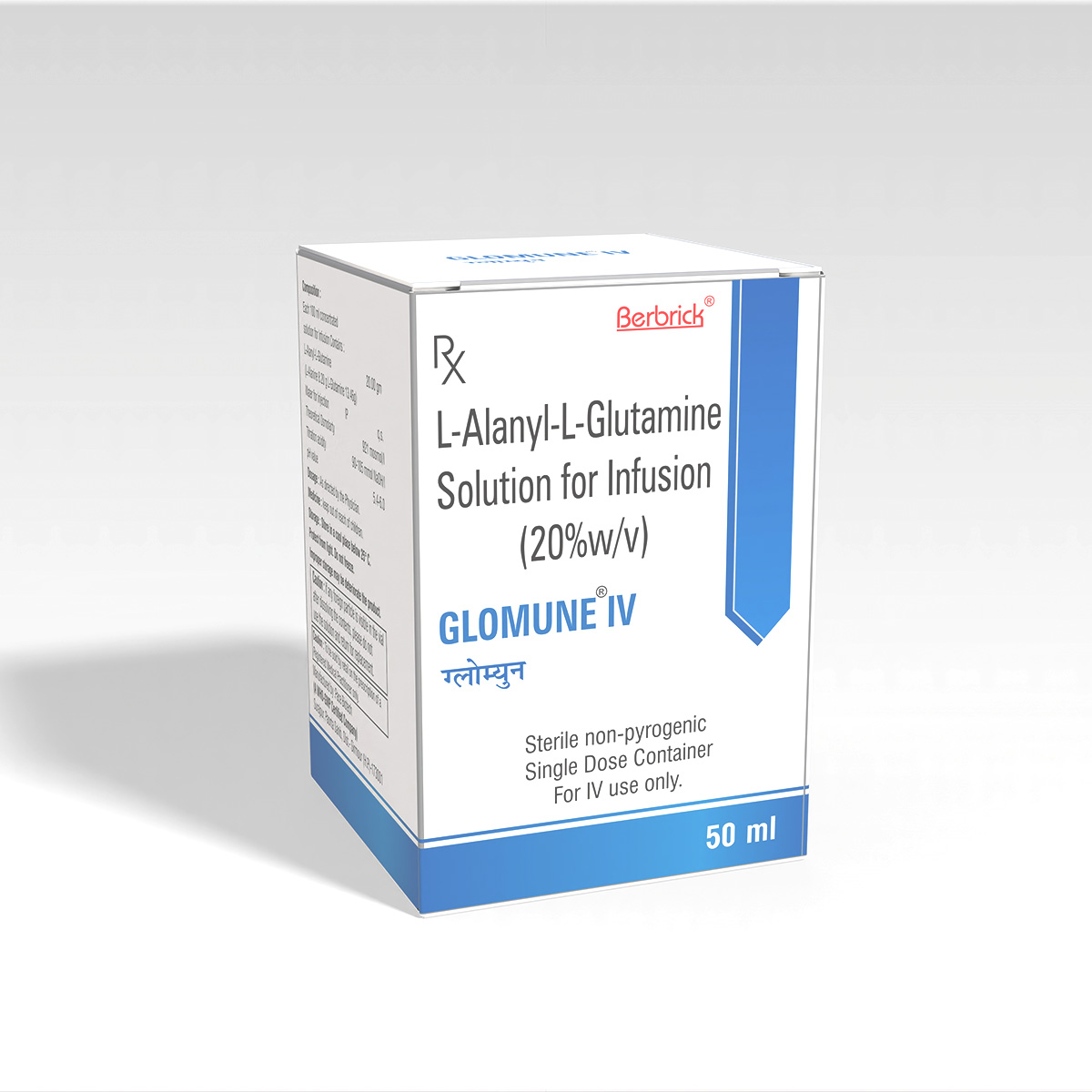
GLOMUNE IV is a clear, colorless to almost colorless sterile solution of L-Alanyl-L-Glutamine, a dipeptide stable form of glutamine used in parenteral nutrition (TPN).
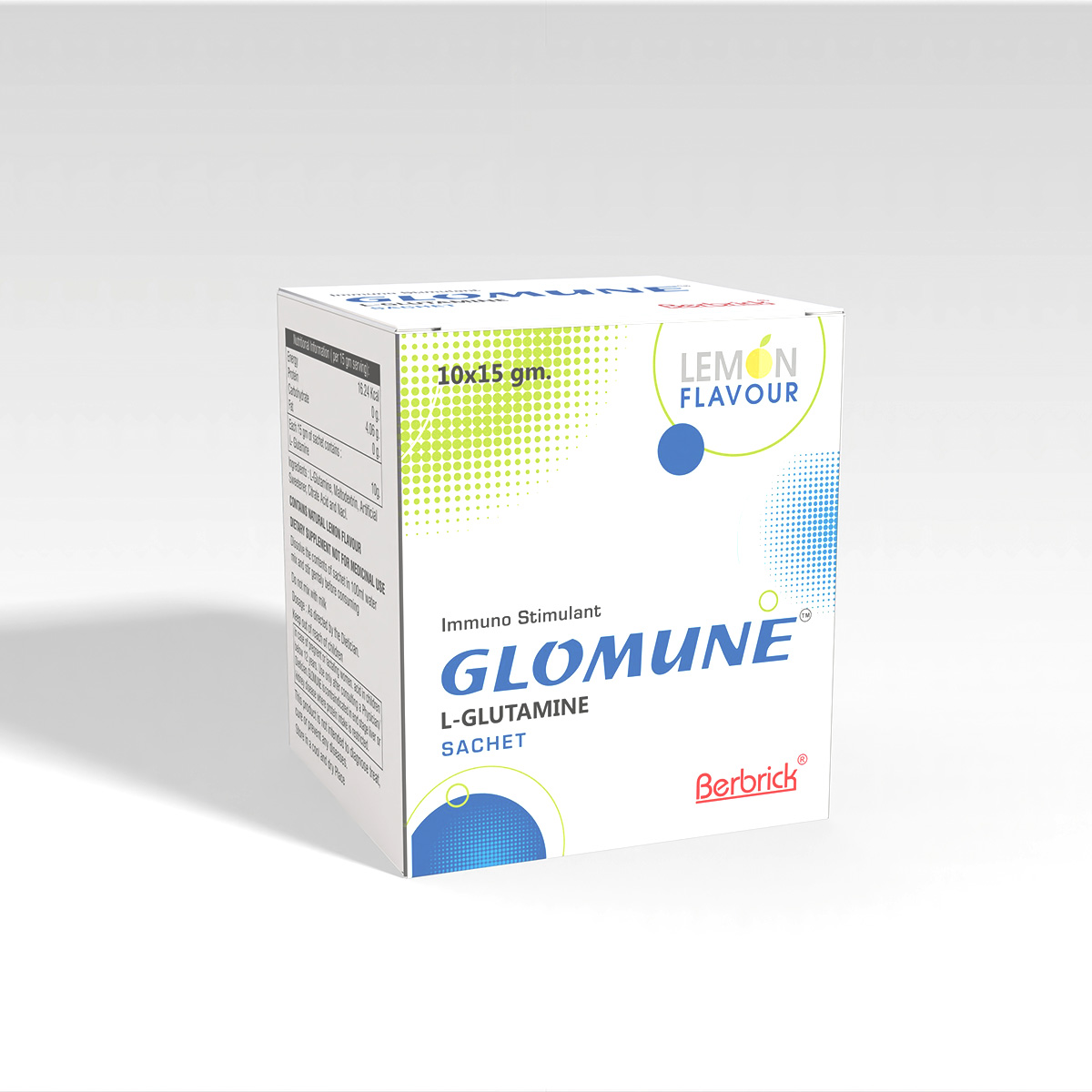
L‑Glutamine in granule form, which can be used orally as well as through tube feeding. L‑Glutamine, an immuno‑enhancer, serves as an effective fuel for intestinal cells and improves gut function. It is indicated for various critical disorders as under:
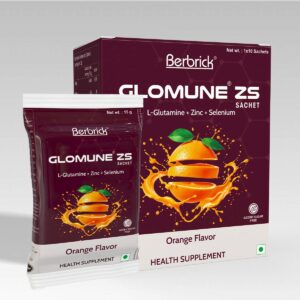
Glomune ZS is a specialized nutritional sachet formulation containing L-Glutamine, Zinc, and Selenium, developed to support immune response, tissue repair, and oxidative stress reduction in patients recovering from cancer, critical illnesses, or severe burns.
It acts as a rapid recovery force, restoring nutritional balance and enhancing healing outcomes in immune-compromised or metabolically stressed individuals.
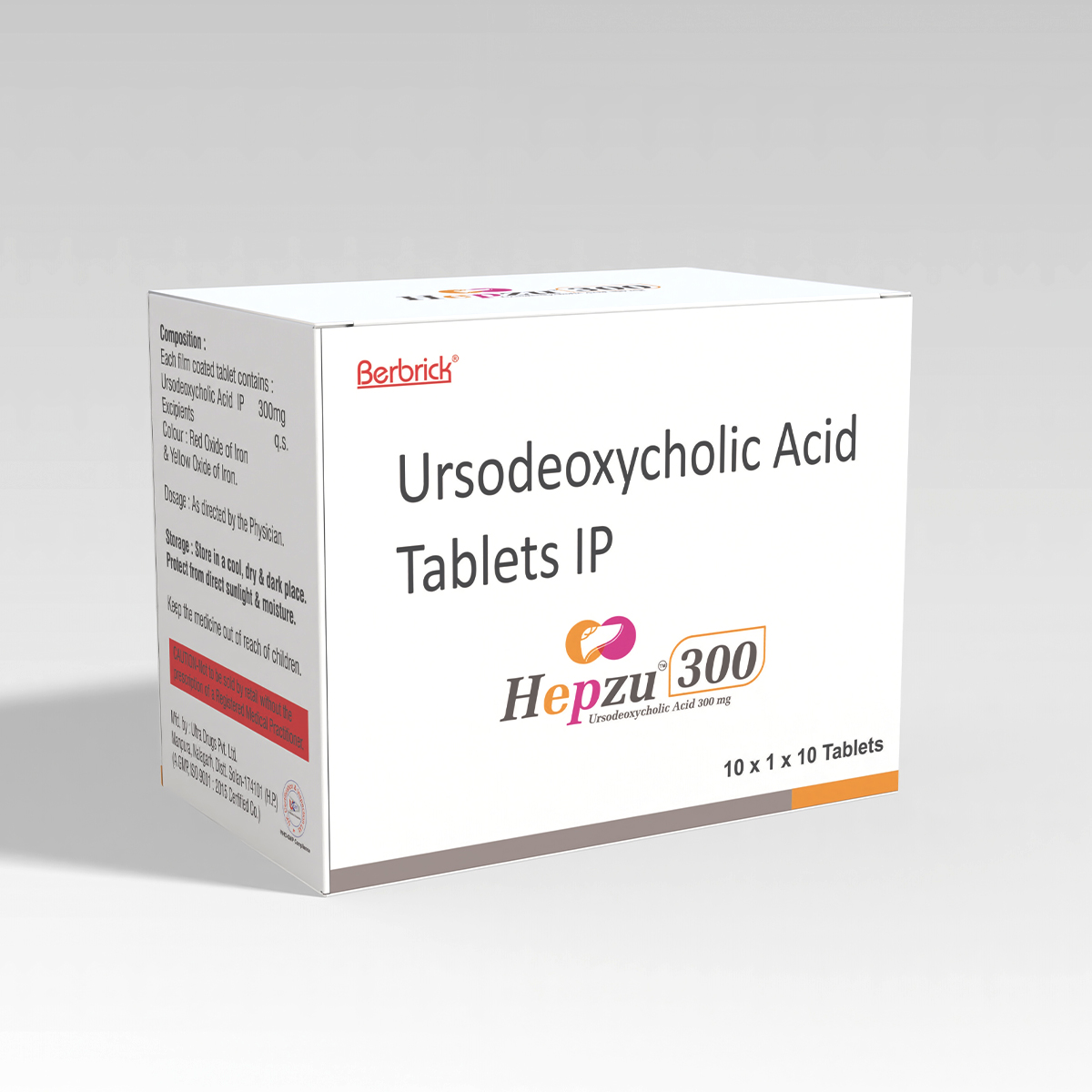
HEPZU™ 300 Micronized contains Ursodeoxycholic Acid (UDCA), a hepatoprotective agent. It is used to dissolve cholesterol gallstones and manage various liver-related disorders such as primary biliary cirrhosis, primary sclerosing cholangitis, and intrahepatic cholestasis.

Pantoprazole is a medication that belongs to a class of drugs called proton pump inhibitors (PPIs). It is used to reduce the amount of acid produced in the stomach.
Common Uses:
Gastroesophageal reflux disease (GERD) – a condition where stomach acid frequently flows back into the esophagus.
Erosive esophagitis – inflammation of the esophagus due to stomach acid.
pantoprazole is a medication that belongs to a class of drugs called proton pump inhibitors (PPIs). It is used to reduce the amount of acid produced in the stomach.
Common Uses:
Gastroesophageal reflux disease (GERD) – a condition where stomach acid frequently flows back into the esophagus.
Erosive esophagitis – inflammation of the esophagus due to stomach acid.